





Circles of neurodivergent overload
Place your energy where it can support you.
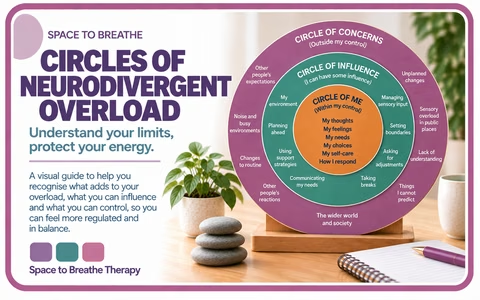
Neurodivergent overload can build when sensory input, demands, unexpected change, communication, decision-making and the effort of coping all compete for limited capacity. Circles of Neurodivergent Overload is a practical Space to Breathe Therapy resource designed to help people separate what they can control, what they may be able to influence and what sits outside their control.
THE THREE CIRCLES
Circle of Control
This includes immediate actions such as reducing sensory input, taking recovery time, communicating a need, choosing the next manageable step and deciding how to respond.
Circle of Influence
This can include changing an environment, asking for adjustments, using external reminders, agreeing communication needs, planning ahead and asking other people for practical support.
Circle of Concerns
Unexpected sensory input, other people's assumptions, last-minute changes and wider systems may matter greatly while still being outside one person's control.
The full guide explores early signs of overload, sensory and demand reduction, communication during overload, family and partner support, workplace and education adjustments, recovery, and how to stop spending precious energy trying to solve things that are not yours to control.
It also includes the My Neurodivergent Overload Map worksheet, helping you identify triggers, early warning signs, actions within your control, areas you can influence, concerns to release and a personalised recovery plan.
MESSAGE FROM MAGGIE
Overload can make your world feel very small very quickly. You do not have to prove how much you can tolerate. Reduce one demand, communicate one need and take one recovery step. The things outside your control can be acknowledged without asking your nervous system to solve them all.
The guide includes further reading, UK professional context and an important reminder that neurodivergent overload is a descriptive term rather than a diagnosis.
Space to Breathe Therapy
Educational and coaching resource. Not a substitute for personalised clinical care.




