




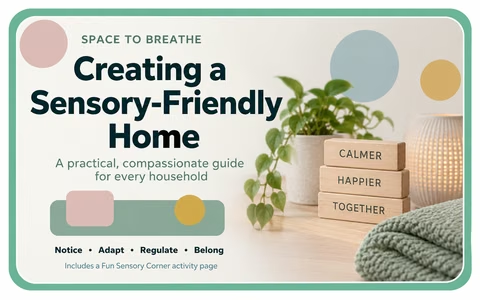
Creating a Sensory-Friendly Home
Home should be a place where the nervous system can soften, yet ordinary light, noise, smells, textures, movement and daily transitions can sometimes make it feel overwhelming. Creating a Sensory-Friendly Home is a compassionate, practical six-page booklet designed to help individuals, families and supporters understand sensory needs and make meaningful changes without needing an expensive redesign.
The guide explains the eight sensory systems, common signs of sensory overload and how needs can change with stress, tiredness, pain, hunger or masking. It offers realistic room-by-room ideas for entrances, living areas, kitchens, bedrooms, bathrooms and work or study spaces, alongside guidance on lighting, sound, scent, touch, temperature, movement and body-based regulation.
A dedicated Fun Sensory Corner page brings warmth and playfulness to the booklet. Readers can build a cosy corner, try a no-pressure sensory treasure hunt, create a personal comfort menu and choose low-mess activities suitable for different ages. A fill-in corner plan helps each person identify what genuinely feels safe and enjoyable to them.
The final page supports households before, during and after sensory overload, with respectful guidance that prioritises communication, dignity, choice and recovery. It also explains when professional advice may be helpful and includes space to choose three manageable changes to begin with.
This resource may be especially helpful for autistic people, people with ADHD, sensory processing differences, anxiety, trauma, chronic illness, fatigue or migraine, as well as parents, carers, partners and professionals. It does not assume that everyone needs the same environment. Instead, it encourages curiosity, collaboration and permission to do what helps.
Download this booklet to begin creating a home where sensory needs are noticed, regulation is supported and every person has room to breathe.
Please note: This booklet is for general information and wellbeing support. It is not a substitute for individual medical, occupational therapy or mental health advice.