





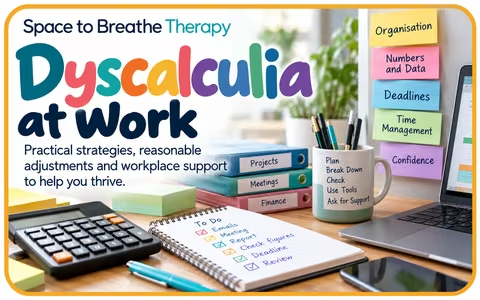
Dyscalculia at Work
Dyscalculia does not stop when someone leaves education. Modern workplaces are full of hidden numerical demands, from rotas, deadlines and timesheets to spreadsheets, invoices, measurements, targets and data.
This standalone resource explores how dyscalculia can affect working life without confusing numerical processing difficulties with professional ability. An employee may be highly skilled in their role while needing more time, written information, a calculator, a template or a reliable checking system for particular tasks.
The guide covers time and rotas, deadlines, spreadsheets, financial information, practical measurements, meetings, assistive technology, workplace checking systems, reasonable adjustments, Access to Work, confidence and conversations with managers.
It also looks at the years of hiding that can follow difficult experiences with maths. A worker may have developed elaborate coping strategies long before anyone realises how much effort numerical tasks require.
The aim is practical: identify the barrier, find a reliable way through it and allow the person's wider skills and strengths to remain visible.
Download the full Dyscalculia at Work guide for detailed explanations and workplace strategies.
Space to Breathe Therapy




