
Emotions and Autism

Understand emotions and autism through interactive prompts and gentle reflection. Consider feelings that are intense, difficult to name or expressed differently. Identify personal needs, choose comfortable ways to communicate and download your reflections, without pressure to find the perfect words.

Download
Emotions and Autism

FEELINGS • EXPRESSION • UNDERSTANDING

Emotions and Autism

Your feelings matter, even without the words.

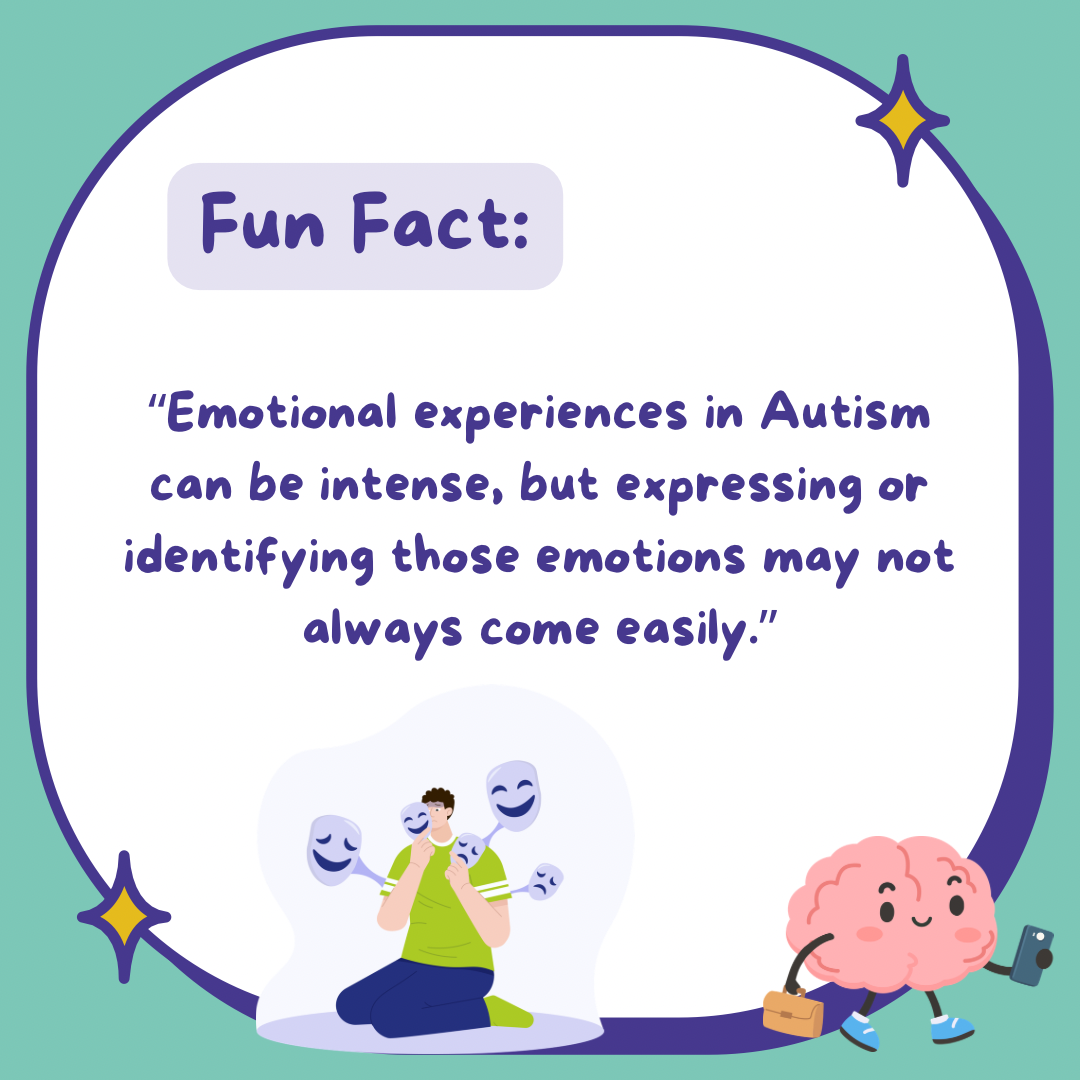
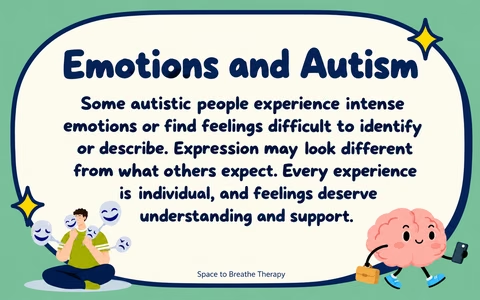
Some autistic people experience intense feelings or find emotions difficult to identify or describe. Others recognise their feelings clearly. Emotional expression may differ from what another person expects, and outward appearance does not tell the whole story.

What feels familiar?

Choose a prompt if it fits. This is reflection, not an assessment.

There is no right way to describe your experience.

A gentle check-in

You can skip any step or return later.

Understanding differences

Difficulty identifying or describing feelings is sometimes called alexithymia. It can occur alongside autism, but it is not experienced by every autistic person and also occurs in people who are not autistic. It does not mean someone has no feelings.

Words are only one option. Pictures, communication aids, writing or a simple request for space can help communicate needs. A body sensation can have several explanations, so there is no need to assign it a fixed emotion.

If you support someone else, listen to their preferred communication and allow processing time. Do not pressure them to name a feeling, make eye contact or display an expected expression. If emotional difficulties are persistent or affecting daily life, consider support from a GP or an autism-informed professional.

My emotions reflection

Write only what feels useful. Your writing is not saved automatically. Download a copy before closing or refreshing the page.

Further information

Autistica: alexithymia

National Autistic Society: anxiety

Space to Breathe Therapy