





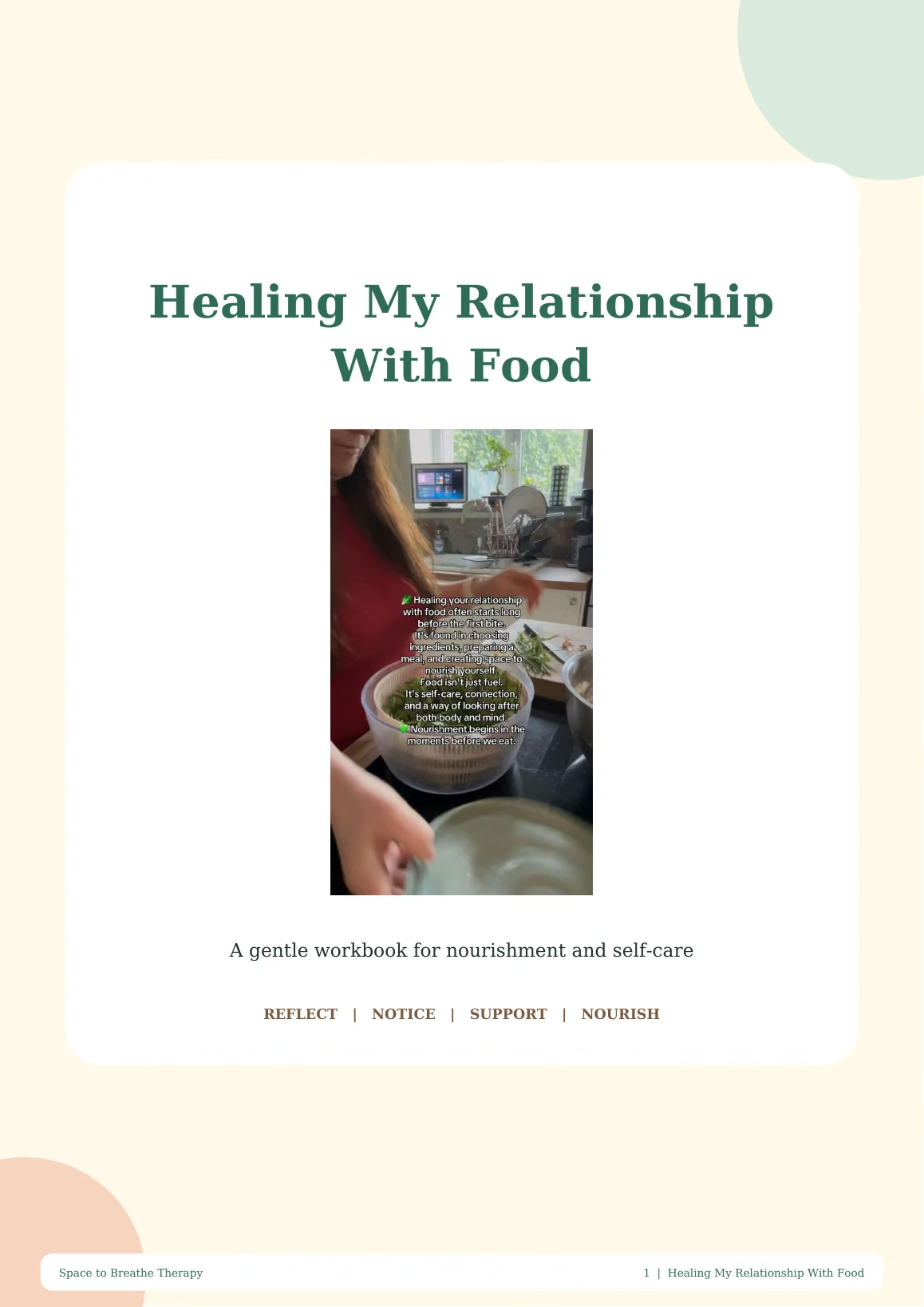
Healing My Relationship With Food - Workbook
Website description
Healing My Relationship With Food is a gentle, compassionate six-page workbook designed to help people explore nourishment without judgement, guilt or pressure. Inspired by everyday moments of choosing ingredients, preparing food and making time to eat, it reminds readers that care often begins long before the first bite.
The workbook supports readers to notice what makes food feel safer and more manageable, recognise the value of small and repeatable acts of care, and challenge rigid rules or impossible standards. It reinforces an important message: food does not have to be perfect to be nourishing, and nobody should have to earn or justify their need to eat.
Inside the workbook
- Three full original photographs, including their complete messages
- Guided reflections on preparation, self-care and connection
- Prompts for identifying safe or manageable foods
- Space to explore sensory needs, routines and practical support
- A gentle nourishment plan for difficult days
- Permission statements that encourage progress over perfection
- A closing page of compassionate reminders
Who it may help
This resource may be useful for adults and young people who experience anxiety around food, low mood, overwhelm, neurodivergence, sensory differences, ARFID traits, disordered eating patterns, reduced motivation or a difficult relationship with nourishment. It can also help therapists, coaches, support workers, families and carers begin respectful conversations without blame.
How to use it
Work through the pages slowly and in any order. Readers can write, draw, use keywords or talk through the prompts with somebody they trust. There is no expectation to complete every section. The workbook is designed to encourage curiosity, kindness and realistic support rather than introduce more rules.
Important note
This workbook is an educational and reflective resource. It does not replace personalised support from a GP, registered dietitian, eating-disorder service or mental health professional. Anyone experiencing severe restriction, rapid physical decline, fainting, dehydration or immediate risk should seek urgent professional help.




