

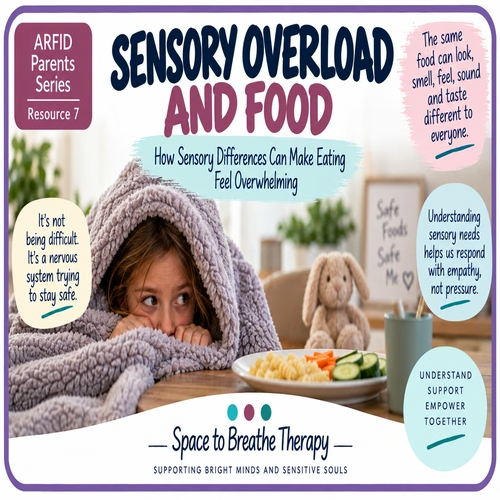
SENSORY OVERLOAD AND FOOD
How Sensory Differences Can Make Eating Feel Overwhelming
ARFID Parents Series - Resource 7
For a child with ARFID, eating can involve far more than taste. Smell, texture, temperature, appearance, sound, touch, mixed foods, the dining environment and the child's level of sensory overload can all change whether a food feels manageable.
This detailed parent resource explains sensory sensitivity without reducing every difficulty to 'fussiness'. It explores gagging and disgust, safe foods, brand dependence, neurodivergence, sensory accommodations, school support and why hunger does not simply switch sensory responses off.
Parents are given practical tools including a sensory map, an environment map, safe-food backup planning, school questions, professional questions and ways to change one sensory variable at a time.
A prominent three-part FROM MY SIDE OF THE TABLE - LIVED EXPERIENCE section brings Maggie's personal ARFID perspective into the resource. It explores what sensory experience can feel like from the person eating, why a child may know something feels wrong before they have words for it, and why safe foods can carry enormous importance. Maggie's experience is clearly presented as lived perspective rather than as a universal description of ARFID.
The central message is that parents do not have to choose between validating sensory experience and helping a child build flexibility. Understanding what the nervous system is responding to creates a safer and more effective starting point for change.
Space to Breathe Therapy
ARFID Parents Series - Resource 7