





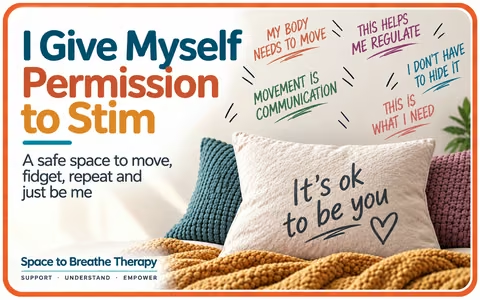
I Give Myself Permission to Stim
A safe space to move, fidget, repeat and just be me.
Stimming can be movement, sound, touch, repetition, visual focus or interaction with objects. For many neurodivergent people it can support regulation, concentration, emotional release, sensory processing, communication and joy.
This fuller resource looks beyond the idea that repetitive movement should automatically be stopped. Instead, it encourages curiosity: What is my body doing? What does this movement give me? What changes when I am overloaded, excited, anxious or safe?
Inside the guide:
• what stimming is and the different functions it can have
• sensory regulation, emotional release, concentration and joyful stimming
• masking and the impact of suppressing natural movement
• distinguishing harmless stims from behaviours that may need safer alternatives or individual support
• an interactive My Stim Page
• a personal stim toolkit
• workplace, school and public-space adjustments
• a pattern tracker for noticing changes in stimming
• a personal message from Space to Breathe Therapy
• books and evidence-informed references
The aim is not fewer stims. It is greater understanding, safety, self-knowledge and access to the regulation a person needs.
Part of the “I Give Myself Permission” series in the Neurodivergence section of the Space to Breathe Therapy Support Hub.




