





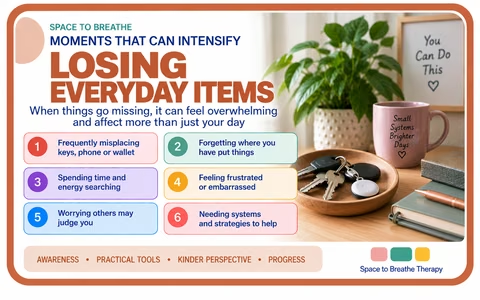
Losing everyday items
LOSING EVERYDAY ITEMS
Moments that can intensify the experience
Losing everyday items is often less about carelessness than about attention, working memory, rushed transitions and objects being moved without a strong memory trace.
This resource explores six situations that may make losing everyday items harder:
1. Putting something down while distracted
2. Objects have no fixed home
3. Leaving in a rush
4. Carrying too many things
5. Changing bags or rooms
6. Tidying items out of sight
WHAT IS INSIDE THE FULL GUIDE
The PDF looks beyond the final visible difficulty and explores the load underneath. It includes practical ways to reduce demands, ideas for home, relationships, work and education, a dedicated reflection worksheet, a personal message from Maggie, book recommendations and professional context.
A PRACTICAL STARTING POINT
Give high-use objects obvious homes, use open or visible storage where helpful, create a leaving station and reduce the number of places an essential item can reasonably be.
This is not about blaming yourself for finding something difficult. The aim is to notice patterns earlier, make information and time more visible, reduce unnecessary pressure and build recovery into everyday life.
The resource is psychoeducational and is not a diagnostic checklist. If difficulties are significantly affecting daily life, safety or wellbeing, professional support may be helpful.
Space to Breathe Therapy
NOTICE THE LOAD • PAUSE • REDUCE DEMANDS • RECOVER




