





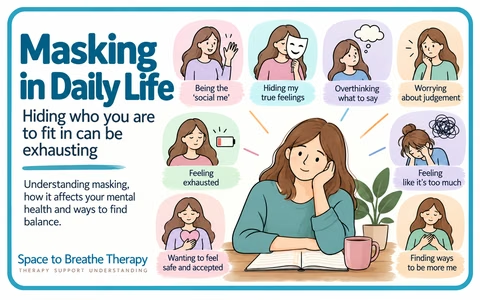
Masking in Daily Life
Masking can be almost invisible from the outside. Someone may look sociable, calm, capable and completely in control while internally monitoring their facial expression, tone, eye contact, movement, words, emotions and the reactions of everyone around them.
This resource explores masking in everyday life, particularly in relation to autism and ADHD. It looks at why people may learn to hide natural behaviours, the mental and physical energy involved, the difference between ordinary social adaptation and relentless masking, and why a person may appear to cope until they reach a safe place.
The downloadable guide also looks at the hidden cost of masking, recovery after demanding situations, practical ways to reduce the load, reasonable adjustments, supporting someone who masks and the importance of approaching unmasking gently. It includes an energy audit and a reflection exercise to help identify where masking happens, what it costs and where greater safety or authenticity may be possible.
The aim is not to tell anyone that they must stop masking. For some people masking can feel protective or necessary. The aim is greater choice: understanding when you are adapting, recognising the cost and creating more places where you do not have to work so hard to belong.
Space to Breathe Therapy
Therapy • Support • Understanding




