





My Grounding Toolkit
Finding grounding approaches that work for you
Grounding can involve connecting with familiar, comforting or supportive experiences when things feel overwhelming, uncertain or difficult.
However, grounding techniques are not one-size-fits-all. An approach that feels helpful to one person may feel uncomfortable or overstimulating to another.
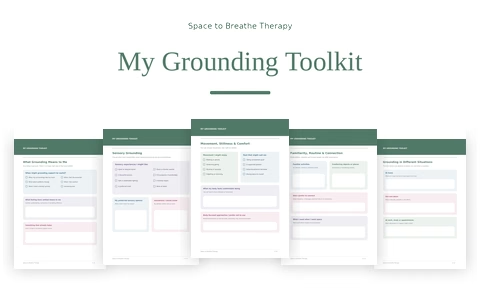
My Grounding Toolkit is a six-page PDF workbook designed to help neurodivergent people identify grounding approaches that reflect their individual sensory preferences, comfort levels and support needs.
Throughout the workbook, you’ll have opportunities to:
- Reflect on what feeling grounded means to you.
- Recognise situations where grounding may be useful.
- Consider sensory experiences that feel comforting or uncomfortable.
- Explore movement, stillness and physical comfort.
- Identify familiar routines, activities and supportive connections.
- Consider grounding options for different environments.
- Create a personalised grounding toolkit.
The workbook encourages choice and flexibility rather than prescribing particular techniques.
You don’t need to use breathing exercises, close your eyes, remain still or engage with uncomfortable sensations unless those approaches genuinely feel helpful to you.
With practical checklists and spacious reflection boxes, you can build a collection of options to return to whenever you need them.
The aim is to discover grounding approaches that feel accessible, comfortable and supportive for you.
Maggie,
Space to Breathe Therapy