





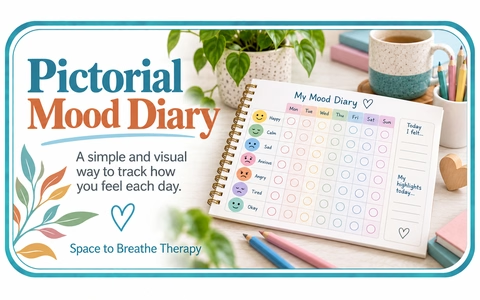
PICTORIAL MOOD DIARY
A simple and visual way to track how you feel each day
A mood diary can be a useful way of noticing emotional patterns, but traditional diaries often involve a lot of writing. That can be difficult when you are tired, overwhelmed, struggling to find words, dyslexic, neurodivergent or simply more comfortable processing information visually.
The Pictorial Mood Diary uses simple illustrated faces, colours and short prompts to make mood tracking more accessible.
You can choose a face that feels closest to your mood, circle it, colour it or draw your own. You can use one face for the whole day or track how your mood changes from morning to afternoon and evening.
Inside the full guide you will find:
• a pictorial mood key
• illustrated faces for happy, calm, sad, anxious, angry, tired and okay
• space to create your own mood symbols and colours
• a printable morning, afternoon and evening diary
• a full weekly pictorial mood tracker
• prompts for energy levels, highlights, difficulties and support needs
• guidance for exploring sleep, demands, connection, physical wellbeing and restorative activities
• support for identifying patterns without judging yourself
• a personal message from me
The aim is not to collect as many “happy” days as possible.
Every mood can provide information. A difficult day may show you that you need more rest, fewer demands, a different environment, connection, boundaries or support. A better day may help you identify what restores you.
And if you do not know how you feel? Draw a question mark. “I don’t know” is useful information too.
Your mood diary belongs to you. Make it visual, simple and meaningful to the way you experience your world.
Space to Breathe Therapy




