





Recovery
After Overload
Sometimes the final moment looks small. The load underneath may be anything but small.
Pause, reduce demands and give recovery room to happen. There is no timer or target here.
Give recovery room
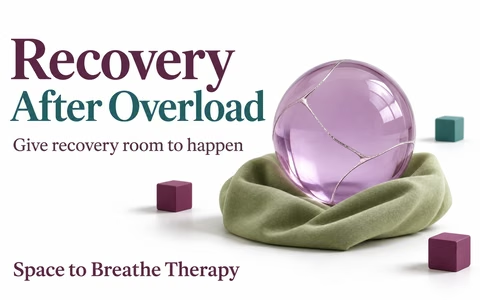
Tap a pressure around the glass sphere. Choose a way to make space for recovery. Drag the glass gently to change its angle and reflections.
Tap a pressure, or simply spend a moment with the glass.
Pressures I have made room around
The glass is a visual metaphor, not a measure of your recovery. You are not broken. Moving a block changes this activity; real adjustments can need support from other people.
Notice the load
Someone can appear calmer while still needing fewer demands. Sensory and communication needs vary; ask what helps the individual rather than assuming they are ready to carry on.
The six areas below are prompts for a conversation, not a checklist that proves why overload happened.
Background: the National Autistic Society and NHS sensory-processing guidance, linked in Further support.
What would help now?
Choose any requests that fit. They are preferences to discuss, not a universal recovery routine.
You can rest without doing a calming exercise. If the screen itself feels too much, close it and use your usual support.
Words I can show
Choose a phrase or write your own. Use the large card when talking feels like another demand.
For family, friends and colleagues
Ask before touching or moving closer. Offer practical help without requiring a detailed account. If a conversation is needed, agree how and when to check back rather than choosing a fixed recovery deadline.
Return at my pace
A next step can be an adjustment, a request or more time. It does not have to be a return to the full load.
Choose an option to see a reflection prompt.
My recovery plan
My preferences and requests after overload
Saved in this browser when storage is available. Your responses are not sent to an account or healthcare professional. On shared devices, clear them when appropriate. Download notes to keep a portable copy.
Further support
This is psychoeducational information, not a diagnostic checklist or a substitute for individual medical or mental-health advice.
For recurring overload that affects everyday life, speak with a relevant healthcare professional about your needs and adjustments. Seek urgent help for immediate safety concerns or new, severe or unexplained physical symptoms. Do not assume these are simply overload.
Sources
- National Autistic Society — Autism and sensory processing
- Leicestershire Partnership NHS Trust — Meltdowns and shutdowns
- Leicestershire Partnership NHS Trust — Sensory processing, demands and capacity
Information checked November 2026. The six reflection areas are based on the supplied Space to Breathe Therapy resource brief. The glass activity is an original visual reflection tool, not a clinical treatment.




