





Rejection sensitivity
REJECTION SENSITIVITY
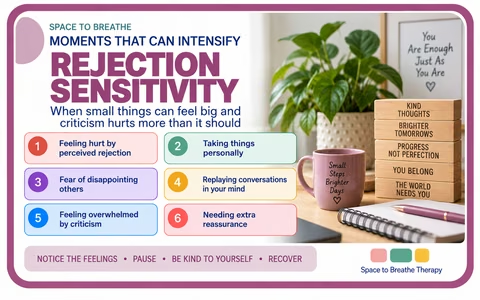
Moments that can intensify the experience
Rejection sensitivity is a descriptive term, not a separate diagnosis. Some people with ADHD describe criticism, ambiguity or perceived rejection as especially intense and difficult to shake.
This resource explores six situations that may make rejection sensitivity harder:
1. A brief or delayed reply
2. Unexpected criticism
3. A change in someone’s tone
4. Not being invited
5. Making a visible mistake
6. Unclear feedback
WHAT IS INSIDE THE FULL GUIDE
The PDF looks beyond the final visible difficulty and explores the load underneath. It includes practical ways to reduce demands, ideas for home, relationships, work and education, a dedicated reflection worksheet, a personal message from Maggie, book recommendations and professional context.
A PRACTICAL STARTING POINT
Slow the meaning-making down. Separate what is known from what is feared, ask for clarification where appropriate, and give the nervous system time to settle before responding.
This is not about blaming yourself for finding something difficult. The aim is to notice patterns earlier, make information and time more visible, reduce unnecessary pressure and build recovery into everyday life.
The resource is psychoeducational and is not a diagnostic checklist. If difficulties are significantly affecting daily life, safety or wellbeing, professional support may be helpful.
Space to Breathe Therapy
NOTICE THE LOAD • PAUSE • REDUCE DEMANDS • RECOVER




