





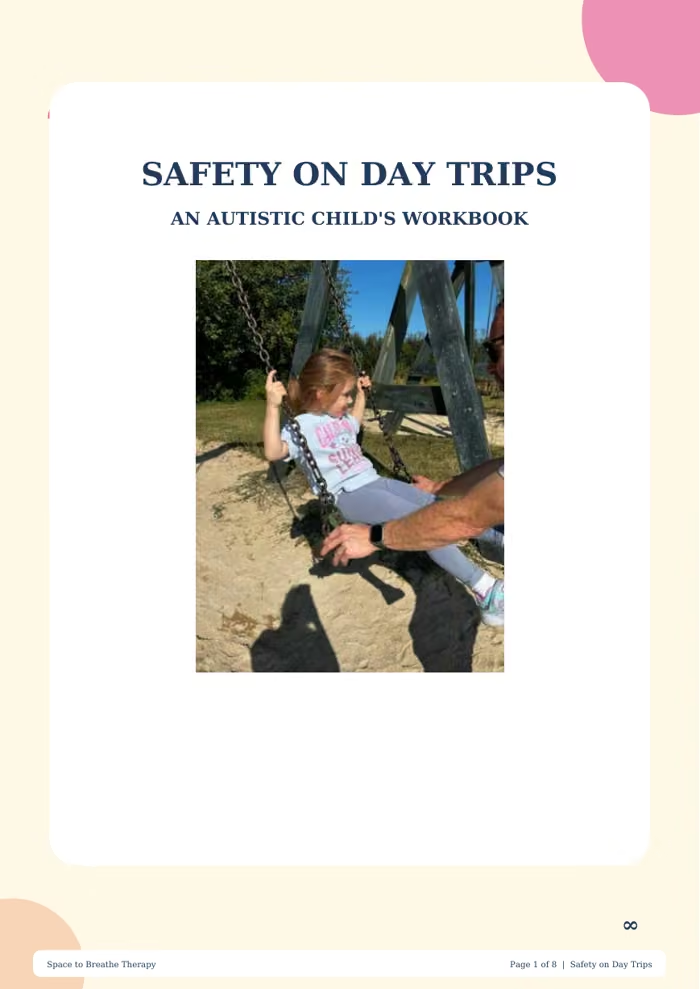
Safety on Day Trips - An Autistic Child's Workbook
Safety on Day Trips is a colourful, neuro-affirming eight-page information workbook created for autistic children and the adults who support them. Family days out can be enjoyable and meaningful, but unfamiliar places may also involve crowds, traffic, water, animals, rides, waiting, sensory overload, sudden transitions and a greater risk of separation. This workbook helps families prepare for those risks without using fear, shame or unrealistic expectations.
The child-facing pages use clear language, real-life photographs, small rainbows and neurodiversity infinity symbols. Children can explore where they are going, who will stay close, how to communicate stop or break, what to do if separated, and which sensory or recovery supports help them feel safe. The resource recognises speech, AAC, gestures, movement and behaviour as valid communication.
Inside the workbook
- A visual day-trip plan covering destination, travel, trusted adults and return time
- A preparation checklist for contacts, identification, medication, allergies, food, clothing and sensory tools
- A calm separation and meeting-point plan
- Safety guidance for rides, play equipment and movement activities
- Water, animal, traffic, weather and outdoor-space checks
- A sensory safety and communication plan
- A dedicated guide for parents and carers
- A recovery menu and post-trip reflection page
- Five real-life day-trip photographs
- Small rainbows and neurodiversity infinity symbols throughout
Guide for parents and carers
The adult guide covers individual risk planning, active supervision, prevention of sensory overload, accessible communication, non-blaming responses to distress and emergency preparation. It encourages adults to assign responsibility clearly, carry essential information and a recent photograph, understand venue procedures and respond early to changes in movement, communication or connection.
Who it may help
This resource is designed for autistic children, including children who communicate without speech, use AAC, seek or avoid sensory input, have reduced danger awareness, become overwhelmed in unfamiliar places or need close supervision. It may also be helpful for parents, carers, schools, therapists, support workers and community organisations preparing inclusive outings.
How to use it
Complete the relevant pages before a trip and revisit the recovery and reflection page afterwards. Children may write, draw, point, tick, use symbols or communicate through a trusted adult. Adapt every plan to the individual child, venue and activity. This workbook supports planning but does not replace venue rules, professional advice, medical guidance, safeguarding procedures or emergency services.
Important note
Risk is individual. Safety measures should be proportionate, respectful and based on the child’s actual needs. If there is immediate danger or a child is missing, follow the venue’s emergency procedure and contact the appropriate emergency services without delay.




