





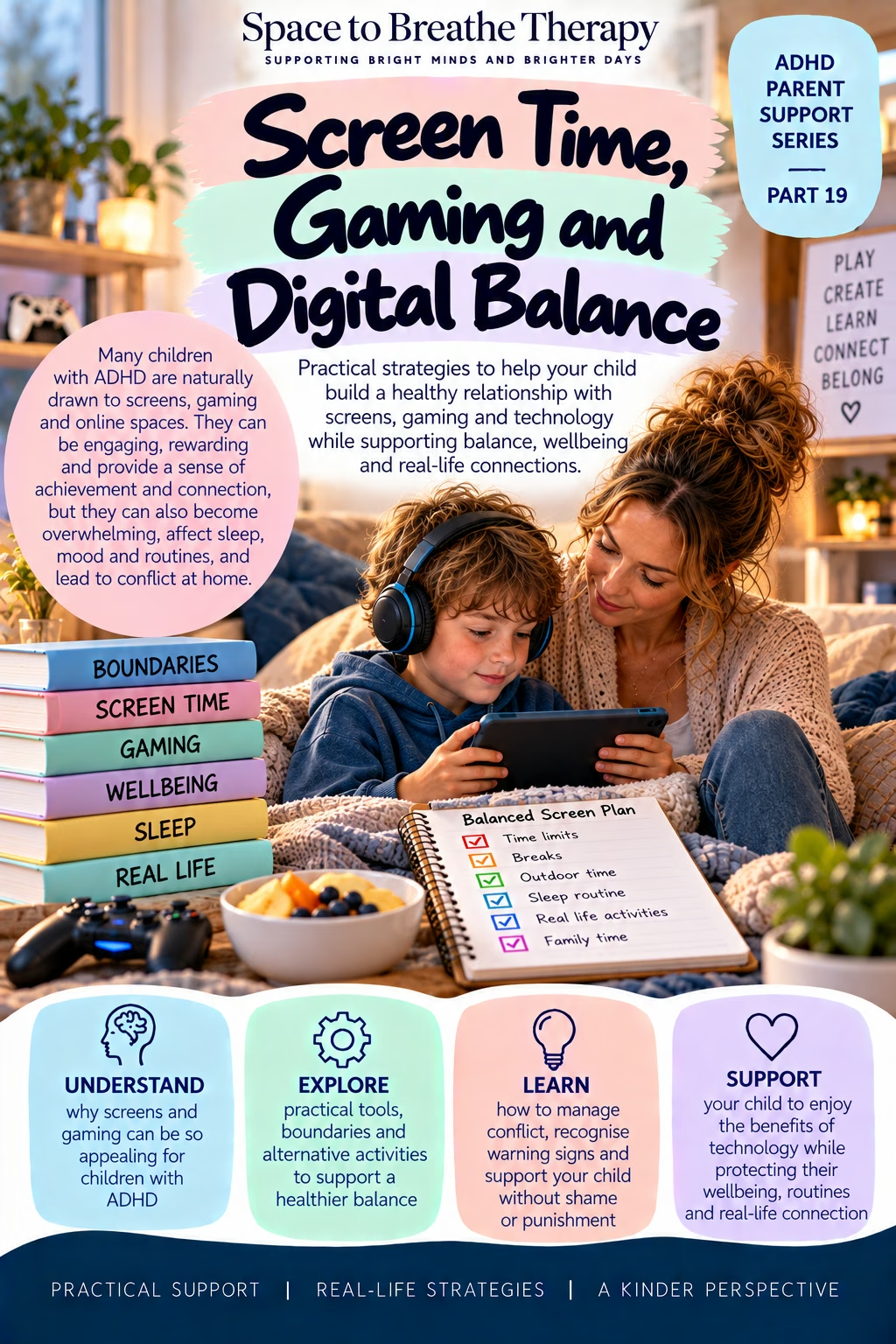
SCREEN TIME, GAMING AND DIGITAL BALANCE
ADHD Parent Support Series - Part 19
Screens and gaming can become one of the biggest sources of conflict in family life, but simply describing them as 'bad for ADHD' misses why they can be so compelling.
Digital activities can offer immediate feedback, novelty, clear goals, creativity, social connection, competence and a predictable place to recover after a demanding day.
This detailed parent guide looks at both sides.
It explores why stopping can be difficult, why an abrupt demand to turn a game off can create such a strong reaction, and how parents can build boundaries without turning technology into the enemy.
The guide covers gaming, social connection, self-esteem, sleep, food and body needs, transitions, online relationships, in-game spending, persuasive design and practical online safety.
It also explains the difference between a child who is highly enthusiastic about gaming and a pattern that may warrant professional assessment. Screen hours alone do not tell the whole story.
Parents are encouraged to look at function: What does this activity provide? Is it connection, regulation, achievement, escape, interest or belonging? If a screen is removed without understanding the need it was meeting, the original difficulty may remain.
There is a detailed Balanced Screen Plan for families to agree protected parts of the day, workable gaming windows, stopping cues, body breaks, online-safety rules, spending controls and signs that the balance is no longer working.
The resource also gives parents language that reduces shame and conflict while keeping adult boundaries clear.
The aim is not a screen-free childhood.
It is helping technology sit alongside sleep, health, learning, relationships, safety, movement and other meaningful parts of life.
Space to Breathe Therapy
ADHD Parent Support Series - Part 19




