




Sensory Overload

Explore sensory overload through gentle interactive choices, practical adjustments and personal reflection. Identify what feels demanding, notice early signs and build a simple support plan, with helpful phrases and space to write, download and keep your own reflections for later.

Sensory Overload

UNDERSTANDING YOUR SENSES

Sensory Overload

When everything feels like too much, reducing the load can be a place to start.

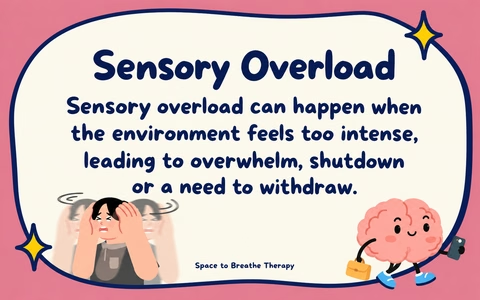
Sensory overload can happen when sensory input feels too intense or difficult to process. Your experience can change with the setting, tiredness and what else you are managing. There is no score to achieve here.

Explore your sensory mix

Select anything that can feel demanding. This is a reflection tool, not a measurement of overload. Nothing will play, flash or vibrate.

Choose a sense to explore a possible adjustment.

What fits this moment?

Choose your own description. You can switch at any time.

You do not need to push yourself into discomfort to use this activity.

Build a small support plan

You can write, think about the prompts, or skip them. Your writing stays in this page while it is open; download a copy to keep it.

This activity does not send your writing anywhere.

Words you can borrow

“There is too much happening for me to process. I need a quieter space.”

Supporting someone else

Ask what helps when the person has capacity to tell you. In an overwhelming moment, use fewer words, reduce demands and offer space. Avoid unexpected touch. Do not insist on eye contact or an immediate explanation. Allow recovery time without turning it into another task.

A shutdown can involve becoming quieter, withdrawing or finding speech and decisions harder. Experiences differ; silence does not tell you what someone understands. Agree on useful signals and support at a calmer time.

Space to Breathe Therapy

People experience sensory input differently. Sensory overload is not exclusive to autism. Use what feels helpful and leave the rest.



