





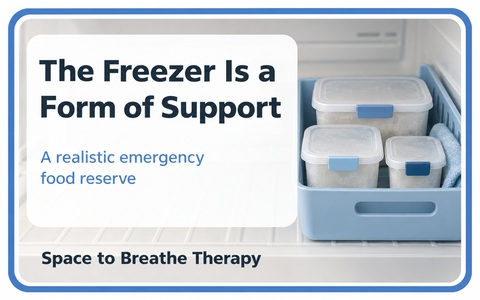
THE FREEZER IS A FORM OF SUPPORT
A realistic emergency food reserve.
A freezer can hold decisions that have already been made. This practical guide shows how a small, understandable reserve can reduce shopping, preparation, sensory demand and decision-making on difficult days.
The approach is neurodivergent-friendly, ARFID-aware and non-diet. It begins with foods that are already manageable and considers how freezing, defrosting and reheating may change texture, smell, appearance and food separation.
Inside the PDF:
- how a freezer can support executive function and fluctuating capacity
- foods and components that often freeze well
- sensory changes that may make foods less predictable
- realistic single portions and separated components
- a simple six-step freezing routine
- cooling, storage, defrosting and reheating safety
- low-demand labelling and a three-zone freezer map
- common freezer problems and practical fixes
- a printable emergency-reserve inventory
- sensory, restocking and monthly-review worksheets
- sources, clinical guidance and a message from Maggie
The aim is not a freezer full of impressive batch cooking. One clearly labelled, personally safe portion can be enough to make a difficult day more manageable.
This educational resource does not replace individual medical, dietetic, allergy, swallowing or food-safety advice.
Space to Breathe Therapy