





Time blindness
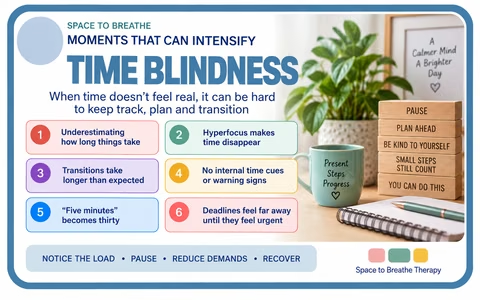
TIME BLINDNESS
Moments that can intensify the experience
Time blindness is a commonly used description for difficulty sensing, estimating and acting on the passage of time. It can affect starting, stopping, preparing and arriving.
This resource explores six situations that may make time blindness harder:
1. Underestimating preparation
2. Hyperfocus hides the clock
3. Transitions take longer
4. No external time cues
5. “Five minutes” becomes thirty
6. Deadlines feel far away
WHAT IS INSIDE THE FULL GUIDE
The PDF looks beyond the final visible difficulty and explores the load underneath. It includes practical ways to reduce demands, ideas for home, relationships, work and education, a dedicated reflection worksheet, a personal message from Maggie, book recommendations and professional context.
A PRACTICAL STARTING POINT
Make time visible. Use countdowns, staged alarms, visual timers, realistic preparation buffers and a separate cue for stopping one activity before starting the next.
This is not about blaming yourself for finding something difficult. The aim is to notice patterns earlier, make information and time more visible, reduce unnecessary pressure and build recovery into everyday life.