





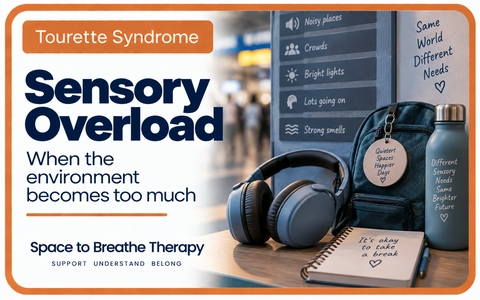
TOURETTE SYNDROME & SENSORY OVERLOAD
When the environment becomes too much
Sensory overload can happen when noise, lighting, crowds, touch, smells, movement and competing demands become more than the nervous system can comfortably process.
For somebody with Tourette syndrome, sensory load may sit alongside tics, urges, anxiety, concentration and the effort of suppressing. Some people notice their tics become more frequent or intense when the environment becomes overwhelming, while others may become quieter, withdraw or struggle to communicate.
This individual guide explores common sensory pressures, early signs of overload and practical ways to reduce demands. It includes support for home, school, work and public places, a simple sensory check-in and guidance on allowing genuine recovery afterwards.
Most importantly, it challenges the idea that overload is simply poor behaviour. Sometimes the most supportive response is not asking the person to cope harder — it is changing what is happening around them.
Space to Breathe Therapy
Support • Understand • Belong