





Transition difficulty
MOMENTS THAT CAN INTENSIFY IT
Sometimes the hardest part is not the activity you are leaving or the one you are moving towards. It is the transition between them.
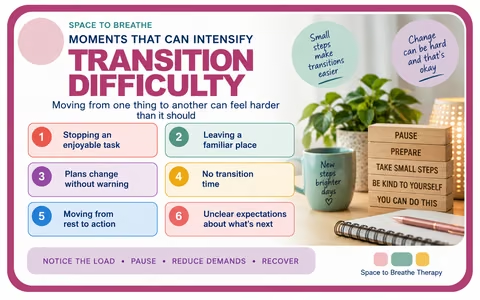
This full Space to Breathe Therapy guide explores six moments that can make transitions more demanding: stopping an enjoyable task, leaving a familiar place, plans changing without warning, having no transition time, moving from rest to action and not knowing clearly what is expected next.
The guide explains the hidden work involved in changing direction — disengaging attention, parking unfinished thoughts, processing change, reorganising the plan, regulating the body and activating for the next demand.
Inside are practical transition bridges, countdown and warning strategies, ways to manage unexpected changes, guidance for partners, parents, workplaces and education, and a detailed My Transition Map worksheet. It also includes a tailored message from Maggie, book recommendations and professional information.
The central message is that transition support is not about removing every change. It is about making change clearer, more predictable and easier to enter.
Transition difficulty is not a standalone ADHD diagnostic criterion and may also be relevant to autism, anxiety, sensory differences, stress and other experiences. This resource is psychoeducational and is not a diagnostic checklist or a substitute for individual medical or mental-health advice.