

Sensory differences
What may be happening
Example from everyday life
What can help
Questions to explore together

Understanding the Many Reasons Behind ARFID explores sensory differences, anxiety, past experiences, body signals and the need for predictability. This interactive resource offers visual explanations, practical support strategies, immediate communication cards and personalised tools to make eating feel safer.
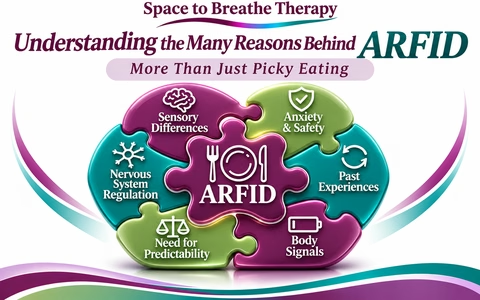
Avoidant/restrictive food intake disorder is more than “picky eating”. Explore how sensory experiences, fear, body signals, predictability, past experiences and nervous-system load can overlap—and what genuinely supportive responses can look like.
Choose a puzzle piece to see what that area may feel like, a real-life example, questions worth asking and supportive adjustments. People may recognise several pieces at once; this is not a diagnostic test.
Select a piece to explore: sensory differences, anxiety and safety, past experiences, body signals, predictability, or nervous-system load.
Tip: click or tap a coloured area. Keyboard users can tab to each area and press Enter.
These cards can help someone communicate needs without having to find all the words. Select a card, then show the large message to another person. The supporter should listen, not negotiate the message away.
Please offer a familiar food without changing it.
ARFID can involve sensory avoidance, fear of aversive consequences, low interest in eating, or combinations of these. Other difficulties may contribute or need assessment alongside ARFID.
Illustrative model only. A number cannot measure ARFID or predict anyone’s capacity; needs differ from person to person.
Keep familiar food available and offer time to eat without pressure.
Believe the person when they describe a food as impossible. Avoid bribes, punishment, hiding ingredients, forced tasting, withholding safe foods or comparing portions. Provide reliable options, plan for changes and keep connection separate from eating performance. For children, adults retain responsibility for seeking appropriate nutritional and medical care.
Offer predictable meal routines, access to known safe foods, quieter seating where possible, reasonable time to eat and an agreed communication route. Do not make public comments about food choices. Coordinate with the child, family and relevant clinicians; document adjustments and review whether the environment is actually accessible.
Ask what helps rather than assuming. Do not pressure someone to eat socially or make their plate a topic of conversation. Share menus in advance, support access to familiar options and make it acceptable to decline food without explanation.
Assess nutrition, growth where relevant, physical symptoms, fear, sensory factors, functional impact and the person’s priorities. Consider multidisciplinary input from an eating-disorder-informed clinician, dietitian and medical professionals. Collaborative treatment may include tailored psychological and nutritional approaches; pace and consent matter.
Check for changes in smell, texture, brand, batch, packaging, preparation, temperature, recent illness or a difficult experience. Do not treat the change as defiance. Offer a backup without pressure; record what changed if the person wishes. Protect access to other safe foods while exploring the problem.
Begin with consent and curiosity, not a demand to finish or taste. A specialist may help create a graded, individualised plan, sometimes starting with looking, smelling, touching or preparing food. There is no single pace or sequence, and a person should not be pushed through distress without support.
Prioritise accessible nourishment and hydration using acceptable options. Reduce decisions, preparation and cleanup. Ready-made foods, duplicate safe foods, visual reminders or practical help can be useful. When intake is inadequate, professional assessment is important.
Try: “What feels manageable?” “Would you like the usual option or a backup?” “Do you want me nearby or would you prefer privacy?” Avoid: “You ate it yesterday,” “Just one bite,” “You’ll eat when you’re hungry,” or “You’re being difficult.”
Seek support from a GP or qualified healthcare professional if restricted intake is affecting nutrition, weight or growth, causing significant distress or interfering with daily life. Assessment can also check pain, swallowing difficulties, allergies, gastrointestinal symptoms and other medical contributors. A person can need help at any body size.
Get urgent medical help for signs such as severe dehydration, fainting, confusion, inability to swallow, choking, or rapidly worsening physical illness. In the UK, call 999 for immediate danger; NHS 111 can advise on urgent but non-emergency concerns. This educational resource is not a diagnosis or emergency service.
Complete only what feels useful. You can leave fields blank. This plan is designed to help communicate needs and prepare for difficult moments—not to rate, pressure or test eating.
0 of 8 sections completed
Your entries remain in this page while it is open. Saving uses this browser’s local storage where permitted; avoid shared devices for private information.
Complete the fields above, then select “Update my plan” to create a readable summary.
Distress and restriction can be very real, even when the reason is hard to explain.
Reliable foods can provide essential access to nourishment and predictability.
Collaborative, compassionate and medically informed support is more useful than pressure.