




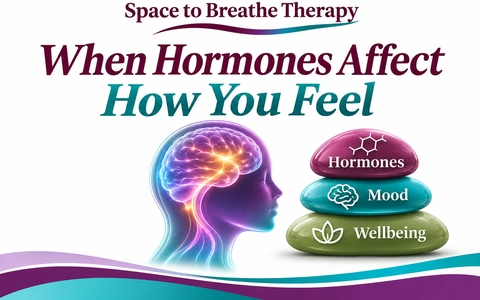
When Hormones Affect How You Feel
Explore how hormone systems interact with sleep, stress, appetite, energy and emotional wellbeing. Select a category, examine realistic experiences and build a support plan that respects your needs.
Educational information, not a diagnosis. Hormones are only one part of how we feel.

Explore the hormone systems
Select a category and then a hormone to reveal a detailed explanation, an everyday example and an important point to remember. The categories are educational groupings, not medical diagnoses.
How different systems interact
The brain, endocrine glands, nervous system, environment and everyday experiences constantly influence one another. This visual is a simplified model, not a scan or hormone test.
Explore a possible pattern
Life stages and changing patterns
Different life stages can bring different physical, emotional and social demands. Choose one to see what may change and what support might be useful.
What have you been noticing?
Select experiences that feel relevant. This is a reflection activity, not a screening tool or hormone diagnosis. More than one factor may contribute.
Support that can make a difference
Practical adjustments can support wellbeing while the cause of symptoms is being understood. Choose strategies that are accessible, safe and realistic for you; no one method works for everybody.
When to seek professional support
Arrange a routine assessment
Consider speaking with a GP or qualified healthcare professional if symptoms are new, persistent, worsening, interfering with daily life, or occur alongside changes in menstrual cycles, temperature tolerance, weight, sleep, palpitations or blood glucose.
They may ask about medicines, supplements, sleep, diet, physical health, stress and life stage, and decide whether any tests are appropriate.
Questions worth asking
Could these symptoms have several causes? Would testing help? Does timing matter? What support or treatment choices are available? When should I return if things change?
Urgent and emergency signs
Seek urgent medical help for severe or rapidly worsening symptoms, including significant confusion, fainting, severe dehydration or concerning symptoms after childbirth. Call emergency services for chest pain, severe breathing difficulty, stroke-like symptoms or immediate danger.
After childbirth, hallucinations, delusions, extreme agitation or rapidly changing mental state may indicate postpartum psychosis and require emergency assessment.
If you feel at risk of harming yourself or cannot stay safe, seek immediate crisis support or emergency help.
UK: NHS 111 for urgent advice; 999 for an emergency.
Build your personal support plan
Your plan can describe experiences, patterns and support needs without assuming a particular hormone is responsible. Save it on this device, copy it, or print it for yourself or a professional appointment.
My plan preview
Saving uses this browser's local storage when available. On shared devices, avoid entering sensitive details or use the copy/print option instead. Clearing browser data can remove saved responses.