





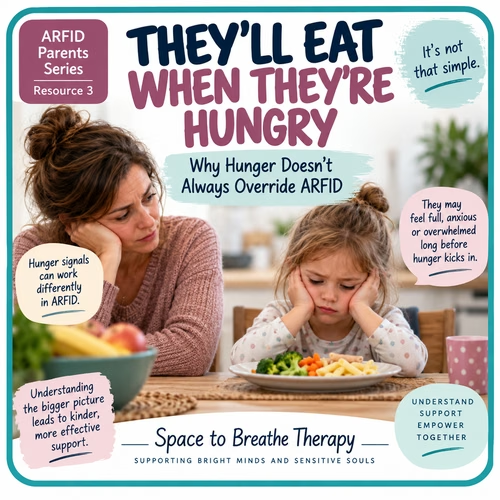
THEY'LL EAT WHEN THEY'RE HUNGRY
Why Hunger Doesn't Always Override ARFID
ARFID Parents Series - Resource 3
“They’ll eat when they’re hungry” is one of the most common pieces of advice given to parents of children who struggle to eat. For ARFID, it can completely miss what is happening underneath the behaviour.
This full parent resource explores why hunger is not always strong, clear or powerful enough to override sensory disgust, fear, nausea, early fullness, gastrointestinal discomfort, weak interoceptive awareness, stress or neurodivergent differences. It also explains why some children become less able to eat as they get hungrier and more dysregulated.
Parents are supported to understand low-interest ARFID, hunger and fullness cues, the gut-brain relationship, sensory and fear-based barriers, illness and medication considerations, school-day eating, eating away from home, nutrition, safe foods and the risks of deliberately withholding accepted food in the hope that hunger will force change.
The resource includes a From My Side of the Table lived-experience section, parent language, home and school strategies, questions for professionals, warning signs, a family hunger-and-eating map and practical ways to protect nourishment while gradually building flexibility.
This is not about removing boundaries or avoiding treatment. It is about matching support to the reason eating is difficult.
Space to Breathe Therapy
ARFID Parents Series - Resource 3