


Yoga for Autism
Calm the senses, support the nervous system and build connection
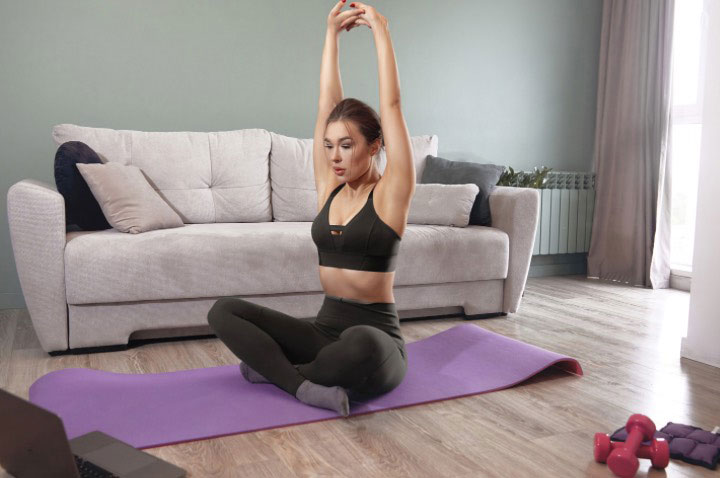
Yoga can offer autistic children, young people and adults a gentle way to connect with their bodies, regulate their senses and create moments of calm. It is not about changing who someone is or expecting them to fit into a particular way of moving. It is about offering support, choice and an opportunity to discover what feels comfortable.
For some autistic people, everyday life can involve sensory overload, anxiety, uncertainty or difficulty recognising the body’s signals. Gentle movement, breathing and predictable yoga routines may help the nervous system settle. They can also support body awareness, emotional regulation, sleep and confidence.
There is no “right” way to practise yoga. A pose can be adapted, shortened or left out completely. Someone may prefer to sit, lie down, move continuously or simply watch before joining in. All of these choices are valid.
Making yoga feel safe and accessible
The environment can make an enormous difference. Before beginning, think about lighting, noise, temperature, clothing and the texture of the mat or floor. Some people may enjoy music, while others will need quiet. Props such as cushions, blankets, a favourite object or a weighted item may provide additional comfort.
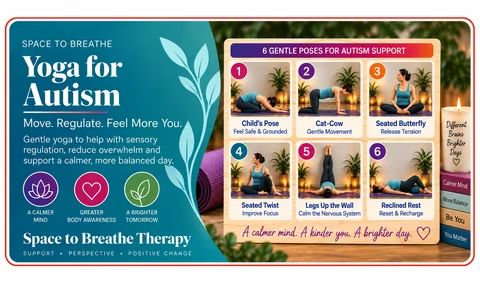
Visual instructions, demonstrations or a simple sequence of pictures can make the session more predictable. It may also help to practise the movements in the same order until they become familiar.
Whenever possible:
- Offer choices instead of demands.
- Avoid physically moving someone into a position without clear consent.
- Allow additional time to understand and respond.
- Keep instructions short and straightforward.
- Build in regular pauses.
- Respect sensory and communication needs.
- Celebrate participation rather than perfect poses.
- Stop if a movement causes pain, dizziness or distress.
A successful yoga session does not need to be long. Five minutes of stretching, breathing or resting may be enough. On a difficult day, simply lying comfortably beneath a blanket and noticing the breath can still be a meaningful practice.
Five-finger breathing
Five-finger breathing is a simple exercise that combines touch, movement and breathing.
Hold one hand open like a star. Using a finger from the opposite hand, slowly trace up the outside of your thumb as you breathe in. Trace down the other side as you breathe out. Continue around each finger, breathing in as you move upwards and breathing out as you move downwards.
There is no need to take unusually deep breaths. Let the breathing remain natural and comfortable. If focusing on the breath feels uncomfortable, the person can simply trace their fingers and notice the movement instead.
Gentle poses to explore
Comforting movements might include Child’s Pose, Cat–Cow, a seated forward fold, Butterfly Pose or resting on the back. Legs Up the Wall may feel soothing for some people, although it will not suit everyone.
Savasana—lying down to rest—can help the body recover after movement. However, closing the eyes should always be optional. A person may feel safer keeping their eyes open, sitting against a wall or resting in another position.
The most helpful practice is the one that responds to the individual. Some people find stillness calming, while others regulate more effectively through rocking, stretching, shaking or repeated movement.
A supportive message from Maggie
Yoga meets you exactly where you are. It is not about fitting in, performing perfectly or making yourself uncomfortable. It is about listening to your body and discovering what helps you feel safer, calmer and more connected.
As an autistic person myself, I understand that our needs can change from one day—or even one moment—to the next. Something that feels comforting today may feel overwhelming tomorrow. That does not mean you have failed. It simply means your body is communicating with you.
You are allowed to pause. You are allowed to adapt the movement. You are allowed to say no. You are also allowed to enjoy moving in a way that feels completely your own.
Start gently, follow your body and remember that every small step matters.
You are enough. You matter. You belong.
Until next time, give yourself space to breathe.
With love,
Maggie