





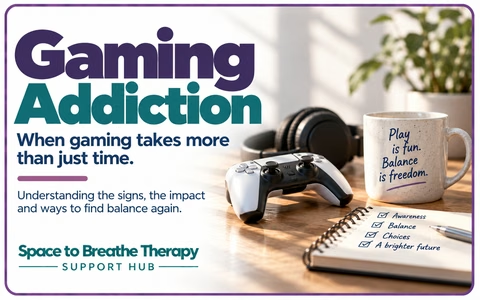
Gaming Addiction
When gaming takes more than just time
Gaming can be creative, social, challenging and a genuine source of enjoyment. Spending a lot of time gaming does not automatically mean somebody has an addiction. This standalone resource looks at the point where gaming begins to take priority over important parts of life and control becomes harder to maintain.
Inside the full three-page PDF you will find:
• the difference between enthusiastic gaming and gaming disorder
• the clinical meaning of gaming disorder
• signs that gaming may be affecting everyday functioning
• what gaming may provide emotionally and socially
• sleep, self-care and physical wellbeing
• the trigger, pull, extended-play and consequence cycle
• practical ways to create stopping points
• why replacing the function of gaming matters
• a weekly balance audit
• specific consideration for neurodivergent gamers
• guidance for parents and carers
• a reflection exercise
• treatment and recovery approaches
• UK routes to professional support
• guidance for partners and loved ones
• a book recommendation
• a personal message from Maggie
• clinical notes and source framework
The guide does not treat gaming itself as the problem. Its focus is on choice, balance and functioning: helping somebody keep what is positive about gaming while making room again for sleep, relationships, responsibilities, health and the rest of life.
Space to Breathe Therapy | Support Hub




