





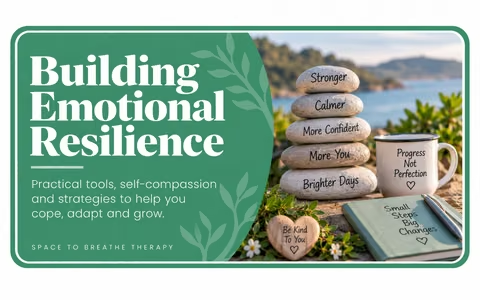
BUILDING EMOTIONAL RESILIENCE
Resilience is sometimes described as though it means being strong all the time. I see it differently. Emotional resilience can include knowing when to rest, when to ask for help, when to set a boundary and when something needs to change.
This guide looks at resilience after difficult or traumatic experiences without turning recovery into another standard to live up to. It explores safety, understanding emotions, regulation, self-compassion, rebuilding confidence, connection, setbacks, difficult days and practical resilience in everyday life.
There are worksheets throughout, including a resilience-foundations plan, emotion check-in, regulation menu, evidence-of-resilience page, 24-hour reset, weekly planner and 30-day plan. I have also included a composite personal perspective, support for partners and families, neurodivergent considerations, treatment information, books and urgent-support guidance.
The message running through the guide is simple: progress, not perfection. A difficult feeling does not mean you are failing. A setback does not remove the skills you have already built. Resilience can grow through small experiences of safety, choice, self-kindness and connection.
Space to Breathe Therapy
SOURCES & FURTHER INFORMATION
NHS - PTSD (post-traumatic stress disorder)
https://www.nhs.uk/mental-health/conditions/ptsd-post-traumatic-stress-disorder/
NICE - Post-traumatic stress disorder (NG116)
https://www.nice.org.uk/guidance/ng116
Mind - Effects of trauma
https://www.mind.org.uk/information-support/types-of-mental-health-problems/trauma/effects-of-trauma/
Mind - Coping with trauma
https://www.mind.org.uk/information-support/types-of-mental-health-problems/trauma/coping-with-trauma/
Mind - Recovery
https://www.mind.org.uk/information-support/types-of-mental-health-problems/mental-health-problems-introduction/recovery/
Sources checked September 2026.