





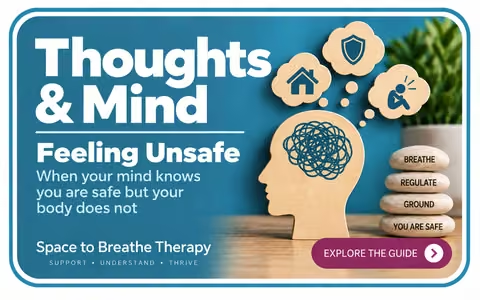
THOUGHTS & MIND: FEELING UNSAFE
When your mind knows you are safe but your body does not
After trauma, a person may logically recognise that immediate danger has passed while their body continues to respond as though it is still under threat. This interactive guide explores that difficult gap between knowing and feeling safe.
Inside the guide:
• Why the nervous system can continue expecting danger after trauma.
• The difference between cognitive knowledge and a body-based threat response.
• Common signs including scanning, startle, tension, shutdown, avoidance, sleep difficulties and the need for control.
• An important distinction between genuine current danger and trauma-related activation.
• A five-part interactive exercise exploring body signals, triggers, present-day information, needs and grounding anchors.
• Practical ways to build cues of safety through choice, predictability, boundaries, sensory comfort, connection and recovery.
• Why forcing relaxation can sometimes make a trauma response harder.
• A balanced discussion of safety, avoidance and appropriately paced therapeutic exposure.
• Guidance on when professional trauma support may help.
• A fillable personal Feeling Safe Plan.
• A tailored message from Maggie, books, resources and clinical sources.
The interactive PDF can be personalised in a compatible PDF viewer. It does not assume that every feeling of danger is caused by trauma and keeps real-world safety, boundaries and choice central throughout.
Space to Breathe Therapy | Thoughts & Mind | Trauma




