





Panic Attack Recovery: A Six-Page Practical Workbook
A panic attack can feel sudden, frightening and intensely physical. A racing heart, breathlessness, dizziness, shaking, nausea, tingling or feelings of unreality may be interpreted as signs of catastrophe, which can increase the body’s alarm even further. The Panic Attack Recovery Workbook offers compassionate education and practical reflection to help readers understand this cycle, support themselves through a panic wave and recover afterwards without shame.
The workbook begins with an accessible explanation of the panic alarm response and the fear-of-fear cycle. It validates that symptoms are real and distressing while making an important distinction: new, severe, unusual or unexplained symptoms should never simply be assumed to be panic and may require urgent medical assessment.
Readers can map what happened before, during and after an attack, including possible vulnerability factors, the first physical sensations, frightening interpretations, coping behaviours and what eventually helped. This helps make an overwhelming experience more understandable and may reveal patterns that can inform future support.
A dedicated “ride the wave” page explores present-moment orientation, gentle breathing without forced deep breaths, body and sensory anchors, and supportive language that reduces the second layer of fear. Readers then create a concise in-the-moment card explaining what they want to remember, what tools they prefer and how another person can help.
The recovery page recognises the exhaustion and sensitivity that can follow panic. It supports hydration, nourishment, rest, lower demands and shame-free reflection. It also explores fear of future attacks, avoidance and safety behaviours, with a carefully paced confidence-building exercise that can be made smaller or paused at any time.
The final page brings everything together in a three-stage personal plan for before, during and after panic, alongside trusted contacts, preferred support and clear medical and crisis safety guidance.
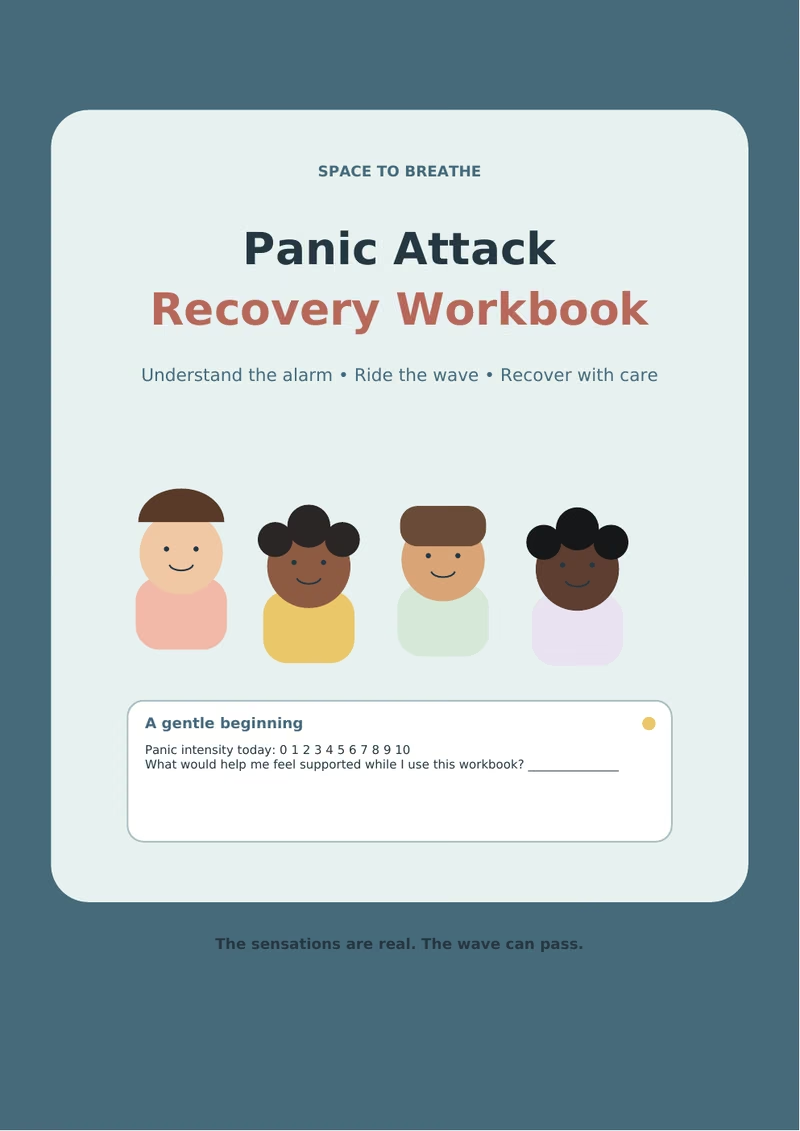
This workbook may be useful for adults, teenagers, family members, carers, therapists, coaches and support professionals. Its distinctive cover features a welcoming group of illustrated faces, reflecting that panic can affect people of every background. Inside, colourful panels, check boxes, rating scales and writing spaces make the workbook easy to use one page at a time.
Download the Panic Attack Recovery Workbook to understand the alarm, reduce fear of the sensations and develop a compassionate plan for recovery.
Please note: This workbook provides general information and reflection, not medical diagnosis or treatment. Seek urgent medical assistance for new, severe or concerning symptoms or whenever you are unsure whether symptoms are caused by panic.
Panic Attack Recovery: A Six-Page Practical Workbook
A panic attack can feel sudden, frightening and intensely physical. A racing heart, breathlessness, dizziness, shaking, nausea, tingling or feelings of unreality may be interpreted as signs of catastrophe, which can increase the body’s alarm even further. The Panic Attack Recovery Workbook offers compassionate education and practical reflection to help readers understand this cycle, support themselves through a panic wave and recover afterwards without shame.
The workbook begins with an accessible explanation of the panic alarm response and the fear-of-fear cycle. It validates that symptoms are real and distressing while making an important distinction: new, severe, unusual or unexplained symptoms should never simply be assumed to be panic and may require urgent medical assessment.
Readers can map what happened before, during and after an attack, including possible vulnerability factors, the first physical sensations, frightening interpretations, coping behaviours and what eventually helped. This helps make an overwhelming experience more understandable and may reveal patterns that can inform future support.
A dedicated “ride the wave” page explores present-moment orientation, gentle breathing without forced deep breaths, body and sensory anchors, and supportive language that reduces the second layer of fear. Readers then create a concise in-the-moment card explaining what they want to remember, what tools they prefer and how another person can help.
The recovery page recognises the exhaustion and sensitivity that can follow panic. It supports hydration, nourishment, rest, lower demands and shame-free reflection. It also explores fear of future attacks, avoidance and safety behaviours, with a carefully paced confidence-building exercise that can be made smaller or paused at any time.
The final page brings everything together in a three-stage personal plan for before, during and after panic, alongside trusted contacts, preferred support and clear medical and crisis safety guidance.
This workbook may be useful for adults, teenagers, family members, carers, therapists, coaches and support professionals. Its distinctive cover features a welcoming group of illustrated faces, reflecting that panic can affect people of every background. Inside, colourful panels, check boxes, rating scales and writing spaces make the workbook easy to use one page at a time.
Download the Panic Attack Recovery Workbook to understand the alarm, reduce fear of the sensations and develop a compassionate plan for recovery.
Please note: This workbook provides general information and reflection, not medical diagnosis or treatment. Seek urgent medical assistance for new, severe or concerning symptoms or whenever you are unsure whether symptoms are caused by panic.




