





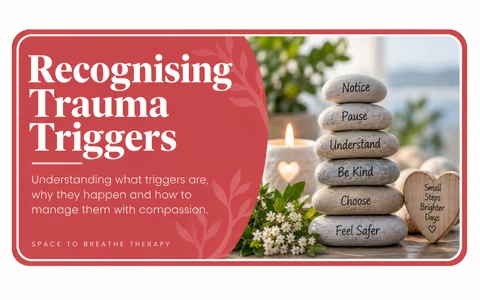
RECOGNISING TRAUMA TRIGGERS
Sometimes a reaction can feel as though it has come from nowhere. A smell, a tone of voice, a place, a date, a physical sensation or even a feeling of losing control can connect the present with something the mind or body remembers from the past.
Recognising Trauma Triggers is a detailed, supportive guide designed to help people understand what triggers are, how they can affect emotions and the body, and how to respond with more compassion and choice.
Inside, I explore sensory, situational, relational and internal triggers; flashbacks and emotional responses; dissociation; early warning signs; grounding; shame and self-blame; relationships; workplace considerations; and when additional professional support may be helpful.
There are practical pages to use rather than simply read, including an early-warning map, a full trauma-trigger tracker, a PAUSE card and a personal trigger-response plan. I have also included a composite personal perspective and guidance for partners, family and friends.
The aim is not to teach you to fear your triggers or to expect yourself to control every reaction. It is to help you understand your own patterns, recognise what is happening a little earlier where possible, and build a collection of responses that help you feel safer and recover more gently.
Small steps can matter. Learning that a reaction has a context can sometimes be the beginning of replacing shame with understanding.
Space to Breathe Therapy
SOURCES & FURTHER INFORMATION
NHS - PTSD (post-traumatic stress disorder)
https://www.nhs.uk/mental-health/conditions/ptsd-post-traumatic-stress-disorder/
NICE - Post-traumatic stress disorder (NG116)
https://www.nice.org.uk/guidance/ng116
Mind - Coping with trauma
https://www.mind.org.uk/information-support/types-of-mental-health-problems/trauma/coping-with-trauma/
Mind - Self-care for PTSD
https://www.mind.org.uk/information-support/types-of-mental-health-problems/post-traumatic-stress-disorder-ptsd/self-care-for-ptsd/
Mind - How to help someone with PTSD
https://www.mind.org.uk/information-support/types-of-mental-health-problems/post-traumatic-stress-disorder-ptsd/how-to-help-someone-with-ptsd/