





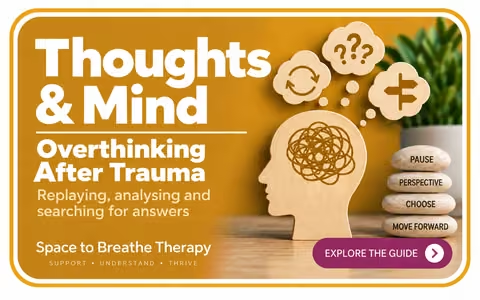
THOUGHTS & MIND: OVERTHINKING AFTER TRAUMA
Replaying, analysing and searching for answers
After trauma, the mind can become caught in repeated analysis: replaying what happened, searching for warning signs, imagining different outcomes and asking questions that never seem to feel fully answered. This interactive guide explores why those loops develop and how to distinguish useful processing from rumination.
Inside the guide:
• Why trauma can create a powerful need for explanation, prediction and certainty.
• The difference between processing that moves forward and rumination that repeatedly circles.
• Common post-trauma loops including hindsight, memory checking, reassurance seeking and future rehearsal.
• A five-part interactive map of the repeating question, desired answer, emotional response, behaviour and personal cost.
• Practical questions for deciding whether further analysis is useful.
• Guidance on hindsight thinking and impossible certainty.
• Ways to create boundaries around thinking and return attention to the present.
• Guidance on when professional trauma support may help.
• A fillable personal Overthinking Plan.
• A tailored message from Maggie, books, resources and clinical sources.
The PDF is interactive and allows readers to type directly into reflection areas in a compatible PDF viewer. It focuses on understanding the thinking process without requiring a detailed trauma narrative.
Space to Breathe Therapy | Thoughts & Mind | Trauma




