





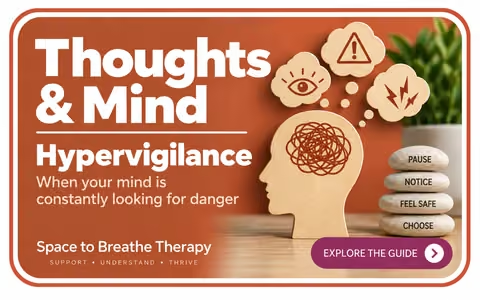
THOUGHTS & MIND: HYPERVIGILANCE
When your mind is constantly looking for danger
Hypervigilance can leave the mind and body working as though danger might appear at any moment. This interactive trauma guide explores why the alarm system can remain heightened after traumatic experiences and how readers can begin helping it become more flexible without ignoring genuine safety needs.
Inside the guide:
• A clear explanation of hypervigilance as a trauma-related survival response.
• Common signs including scanning, checking, startle responses, sleep difficulties and monitoring other people's reactions.
• How prolonged alertness can affect the body.
• Why verbal reassurance alone may not settle a nervous system that has learned to expect danger.
• A five-part interactive map covering scanning, body responses, predictions, behaviours and the personal cost of hypervigilance.
• Practical strategies for orienting to the present, reducing repeated checking, easing physical readiness, building predictability and practising safer attention.
• An important distinction between trauma-related hypervigilance and genuine current danger.
• Guidance on when professional trauma support may be appropriate.
• A fillable personal Hypervigilance Plan.
• A tailored message from Maggie, books, resources and clinical sources.
The PDF is interactive and can be personalised in a compatible PDF viewer. It is designed to validate why vigilance developed while helping readers build more room for rest, choice and present-day safety.
Space to Breathe Therapy | Thoughts & Mind | Trauma