





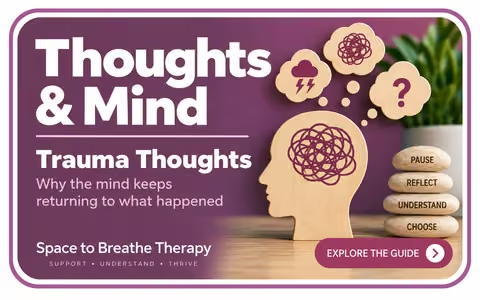
THOUGHTS & MIND: TRAUMA THOUGHTS
Why the mind keeps returning to what happened
After trauma, the mind can replay, question and analyse what happened long after the immediate danger has passed. This interactive guide helps readers understand why trauma-related thinking can become repetitive without treating those thoughts as a personal failure.
Inside the guide:
• Why trauma can affect attention, memory and threat detection.
• Common patterns including replaying, 'what if' thinking, self-blame, hindsight and searching for certainty.
• The difference between trauma thoughts, intrusive memories and flashbacks.
• An interactive trauma-thought cycle mapping triggers, thoughts, body responses, coping responses and underlying needs.
• Ways to respond to self-blame, fear of recurrence and loss of trust in your own judgement.
• Grounding ideas for reconnecting with the present.
• An explanation of the difference between useful processing and repetitive rumination.
• Guidance on when trauma-focused professional support may help.
• A fillable five-part Trauma Thoughts plan.
• A tailored message from Maggie, books, resources and clinical sources.
The PDF is interactive, allowing readers to type directly into the reflection areas in a compatible PDF viewer. It deliberately avoids asking readers to produce a detailed trauma narrative and encourages pacing and present-day grounding.
Space to Breathe Therapy | Thoughts & Mind | Trauma




