



























.jpg)
1) What it is
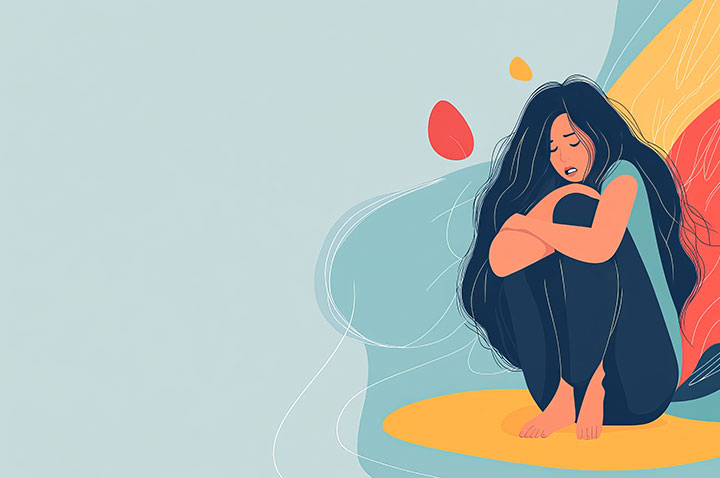
Adult Separation Anxiety Disorder is a condition where you experience intense fear, distress, or panic when separated from a loved one or anticipating separation. Closeness feels like safety, and being apart can feel overwhelming.
It’s not simply missing someone. Separation anxiety can impact relationships, work, sleep, independence, confidence, travel, and daily functioning.
A common cycle is:
separation trigger → fear thoughts → panic symptoms → checking/reassurance → short relief → fear returns.
2) What it feels like
- “I can’t relax unless I know they’re okay.”
- “If they don’t reply quickly, I panic.”
- “I feel unsafe alone.”
- “I imagine accidents or emergencies.”
- “I’m scared they’ll leave me.”
Shame is common, but this is not weakness — it’s an anxiety system linked to safety and attachment.
3) Common signs & symptoms
Mental & emotional
- fear of harm to loved ones
- fear of abandonment
- intrusive worst-case scenarios
- distress before separation
- strong reassurance seeking
Physical
- nausea, stomach pain, diarrhoea
- racing heart, tight chest
- shaking, sweating
- dizziness, headaches
- restless panic energy
Behavioural
- constant texting/calling/checking
- needing location sharing
- avoiding being alone
- difficulty sleeping alone
- cancelling plans
- emotional dependency
4) What causes it / risk factors
- early attachment insecurity
- abandonment experiences
- trauma, grief, sudden loss
- unstable childhood environments
- anxiety disorders
- major life transitions
- reassurance-reinforcing relationships
Core belief learned by the nervous system:
“If I’m not close to them, I am not safe.”
5) Triggers
- loved one leaving
- travelling
- being alone at night
- slow replies
- missed calls
- arguments
- anniversaries linked to loss
- tiredness, caffeine, alcohol rebound anxiety
6) What helps now
- long-exhale breathing (inhale 4, exhale 6–8)
- grounding statement: “This is separation anxiety.”
- delay checking by 10 minutes (increase gradually)
- create a short “next hour” plan
- ask for comfort, not reassurance
7) Longer-term self-help
- structured check-ins instead of constant checking
- gradual reduction of reassurance
- time-alone exposure ladder
- build self-soothing tools
- gently challenge fear thoughts
- heal attachment wounds
8) Treatment options
- CBT
- ACT
- attachment-based therapy
- trauma-informed therapy
- couples therapy (sometimes helpful)
9) Medication
Medication may reduce intensity if anxiety or panic is severe, GP or psychiatrist guided.
10) Work, relationships & daily life tips
- structure separations
- reduce phone checking slowly
- communicate openly
- build independent routines
11) When to seek urgent help
Urgent support if distress is daily, functioning is impaired, checking is uncontrollable, or you feel unsafe or suicidal.
12) Trusted help & resources (UK)
- NHS Talking Therapies
- Mind
Mind Infoline: 0300 123 3393
Mind Support Line: 0300 102 1234 - Anxiety UK
24/7 self-care line: 03444 775 774 - Samaritans 116 123
Shout: text SHOUT to 85258






