
























.jpg)
1) What it is
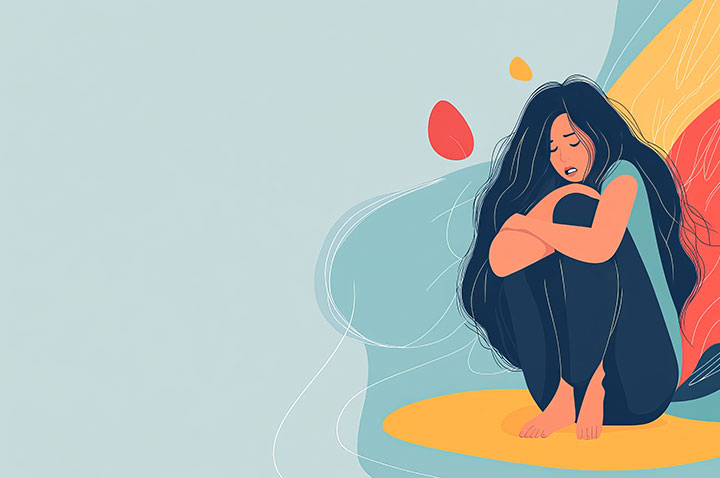
Depression (also called Major Depressive Disorder) is a mental health condition where low mood and loss of interest last for weeks or longer, and it affects how you think, feel, and function day to day.
Depression is more than feeling sad. It can include:
- emotional pain or numbness
- loss of motivation
- exhaustion
- changes in sleep and appetite
- negative thoughts about yourself and life
Depression can range from mild to severe and can affect anyone, at any age. It is treatable, and support is available through the NHS and charities.
2) What it feels like (real-life examples)
People with depression often describe it as:
“I can’t feel joy anymore.”
“Everything feels heavy.”
“I feel empty, numb, or flat.”
“Even small tasks feel impossible.”
“I’m tired all the time.”
“I feel like a burden.”
“I’m just existing, not living.”
“I don’t recognise myself.”
Depression can also feel like:
- constant guilt
- hopelessness
- irritability
- crying easily or not being able to cry at all
- feeling disconnected from people
- feeling like the future is pointless
Many people hide depression well and appear “fine” on the outside.
3) Common signs & symptoms
Depression affects emotions, thoughts, the body, and behaviour.
Emotional symptoms
- persistent sadness or emptiness
- numbness or inability to feel pleasure
- hopelessness
- guilt, shame, self-hatred
- irritability or anger
- feeling overwhelmed easily
Thought patterns
- negative self-talk (“I’m useless”)
- rumination (replaying mistakes, worries)
- low self-worth
- difficulty concentrating
- indecision
- thoughts of death or suicide (in severe cases)
Physical symptoms
- fatigue, low energy
- sleep changes (insomnia or oversleeping)
- appetite and weight changes
- aches, pains, headaches
- reduced sex drive
- slowed movement or agitation
- heavy body feeling
Behaviour patterns
- withdrawing from people
- avoiding messages and calls
- neglecting self-care
- struggling to work or parent
- staying in bed longer
- loss of routine
- using alcohol/food/screens to cope
The NHS describes depression as causing persistent low mood and loss of interest, and it can affect sleep, appetite and concentration.
4) What causes it / risk factors
Depression can be caused by a mix of factors:
Life experiences
- grief and loss
- trauma
- relationship breakdown
- stress and burnout
- loneliness and isolation
- financial pressure
- caring responsibilities
- long-term pain or illness
Biological and psychological factors
- genetics and family history
- brain chemistry changes
- hormonal changes (postnatal, menopause)
- negative thinking patterns
- low self-esteem
- chronic sleep deprivation
Depression can sometimes appear “out of nowhere,” but often it’s a build-up of stress, unmet needs, and exhaustion.
5) Triggers (what can make it worse)
Common triggers include:
- lack of sleep
- poor diet and dehydration
- too much time alone
- work overload
- relationship conflict
- social comparison
- alcohol rebound mood dips
- stopping routines suddenly
- big life changes
- chronic stress without recovery
- feeling criticised or unsupported
6) What helps right now (fast relief tools)
When depression is heavy, the goal is not “be happy.”
The goal is to reduce suffering and create tiny movement.
Tool 1: The 3 basics rule
Ask:
- Have I had water?
- Have I eaten?
- Have I slept or rested?
Fixing basics reduces intensity.
Tool 2: 1% action (micro-task)
Pick one tiny action:
- wash face
- open curtains
- sit outside for 2 minutes
- reply to one message
Tiny actions rebuild momentum.
Tool 3: 10-minute activation
Set a timer for 10 minutes and do:
- a small tidy
- a short walk
- shower
Movement changes brain chemistry faster than thinking.
Tool 4: Gentle self-talk
Replace punishment with compassion:
“I’m struggling. I’m not broken. This will pass.”
Tool 5: Reduce isolation slightly
Text one safe person:
“I’m not doing great today. Can you check in?”
Connection reduces depression load.
7) Longer-term self-help strategies
Recovery is built through consistent small supports.
1) Behavioural activation (gold-standard self-help)
Depression steals motivation.
Action creates motivation later.
Plan daily:
- 1 task (achievement)
- 1 connection (contact)
- 1 enjoyment (pleasure)
2) Rebuild routine gently
Even a small routine helps:
- wake time
- meals
- walk
- bedtime wind-down
Routine creates stability.
3) Reduce rumination (overthinking)
Depression feeds on replaying thoughts.
Try:
- write thoughts down once
- then do an action
Movement breaks rumination loops.
4) Move your body gently
Walking, stretching, yoga, swimming — anything counts.
Even 5 minutes helps.
5) Sleep support
Keep:
- consistent wake time
- reduce screens at night
- calming wind-down routine
6) Therapy or guided support
Depression often needs support beyond self-help, especially if persistent.
8) Treatment options (what usually helps)
Depression is treatable. Common supports include:
NHS Talking Therapies (CBT and other therapies)
This can help you:
- change thought patterns
- improve coping
- rebuild routine and motivation
CBT
Helpful for:
- negative thought cycles
- low self-worth
- rumination
Counselling
Supports emotional processing and life stress.
Medication
Some people benefit from antidepressants, especially if symptoms are moderate–severe.
The NHS describes treatment options including talking therapies and antidepressants for depression.
9) Medication overview (plain-English)
Medication can help some people by reducing the intensity of symptoms so they can function and engage in therapy.
A GP may discuss antidepressants if:
- depression is moderate or severe
- symptoms are long-lasting
- self-help and therapy alone aren’t enough
Medication should always be guided by a clinician and not stopped suddenly.
10) Work, relationships & daily life tips
Work
- reduce workload where possible
- focus on the essentials only
- take micro-breaks
- ask for adjustments if needed
Relationships
Depression can make you withdraw.
Try:
“I care, I’m just struggling. Please be patient.”
Ask for:
- practical support
- gentle check-ins
- no pressure to “cheer up”
Daily life
- simplify everything
- do the basics first (food, water, sleep)
- reduce alcohol
- keep tiny routines alive
11) When to seek urgent help
Seek urgent help if:
- you feel suicidal
- you can’t keep yourself safe
- you can’t eat, sleep, or function
- you feel hopeless and stuck
- you are self-harming
- depression is rapidly worsening
You deserve urgent help when safety is at risk.
12) Trusted help & resources
NHS information
- NHS: Clinical depression overview
- NHS: Treatment for depression
NHS access route
- NHS Talking Therapies (England) — self-refer
Support and advice
- Mind: Depression support and information
24/7 urgent emotional support
- Samaritans: 116 123
- Shout: text SHOUT to 85258






