






















.jpg)
1) What it is
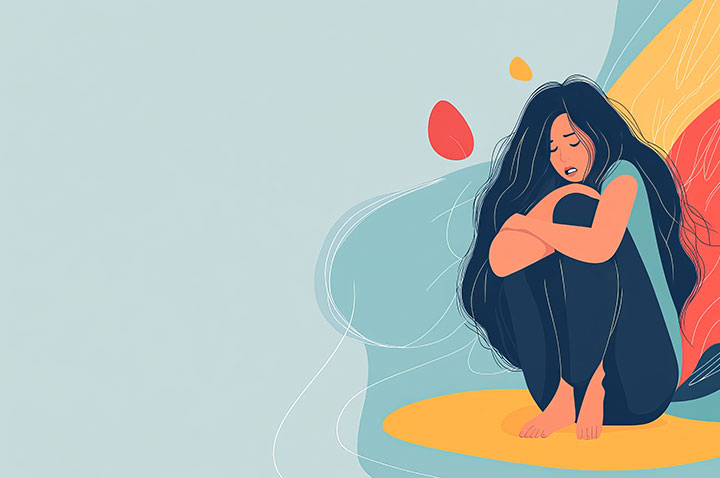
Dermatillomania, also known as Skin Picking Disorder or Excoriation Disorder, is a condition where someone repeatedly picks at their skin to relieve anxiety, tension, boredom, or discomfort. It often becomes an automatic habit loop and can lead to bleeding, scarring, infection, and shame. It is treatable with the right support.
2) What it feels like
- “I can’t stop once I start.”
- “It calms me in the moment.”
- “I lose track of time while picking.”
- “I feel ashamed afterwards.”
3) Common signs & symptoms
- picking skin on face, scalp, arms, legs, back, or hands
- picking spots, scabs, bumps, or uneven texture
- tension before picking
- relief or calm during or after picking
- trance-like focus or time loss
- shame and hiding marks
- avoiding social situations
- scarring, bleeding, infection risk
- repeated attempts to stop
4) Why it happens (causes & risk factors)
- anxiety and stress relief patterns
- OCD-related tendencies and body-focused repetitive behaviours
- sensory discomfort or “it must feel right” urges
- boredom, perfectionism, control needs
- ADHD or autism sensory regulation needs
- low mood, emotional overwhelm, self-soothing
5) Triggers
- mirrors and bright lighting
- stress, anxiety, or fatigue
- boredom or understimulation
- skin texture irregularities
- emotional overwhelm
6) What helps now
- recognise the habit loop: trigger → urge → pick → relief → shame
- use barrier methods (plasters, gloves, gel nails, sleeves)
- replace the picking action with fidgets or textured objects
- reduce mirror checking
- practise urge surfing (delay 2 minutes, then 5, then 10)
- move location when urges hit
- reduce shame through compassion
7) Daily self-help support
- create pick-free zones
- plan “hands busy” activities
- track patterns without judgement
8) Professional treatment options
- Habit Reversal Training (HRT)
- CBT for compulsive behaviours
- ACT for urge tolerance
- treatment for anxiety, OCD, or ADHD if present
- dermatology support for skin damage
9) Medication
Medication may help underlying anxiety, OCD, or impulsivity if present, GP-led.
10) Practical tips
- reducing shame weakens the habit loop
11) When to seek urgent help
Urgent help if skin damage becomes severe, infected, or urges feel unmanageable.
12) Where to get help (UK)
- NHS Talking Therapies
- GP support and referral
- Mind resources
- Samaritans 116 123 if distress becomes overwhelming

A-Z Mental Health
Health Support Directory
Practitioners & Contributors Directory
Depression & Emotional Distress
Substance Misuse
Understanding Grief
Neurodiversity
LGBTQ+
Physical Health & Body Awareness
Food Nutrition & Mental Health
Disability in the Workplace & Career Support
Inspirational Content
Fun & Interactive
Video and Audio
Men’s Mental Health
Trauma
Eating Disorders
Courses and Learning Hub
Social Media
Product Advertisements
Legal and Rights Information





