





















.jpg)
1) What it is
Disruptive Mood Dysregulation Disorder (DMDD) is a mental health condition in children and teenagers involving:
- severe, frequent temper outbursts, and
- persistent irritability or angry mood most of the time, even between outbursts
The outbursts are much more intense and frequent than expected for the child’s age and cause serious difficulties in:
- home life
- school
- friendships and social situations
DMDD was introduced to describe children with chronic, severe irritability, and to avoid misdiagnosing these children with bipolar disorder.
2) What it feels like (real-life examples)
For the young person
A child with DMDD may feel:
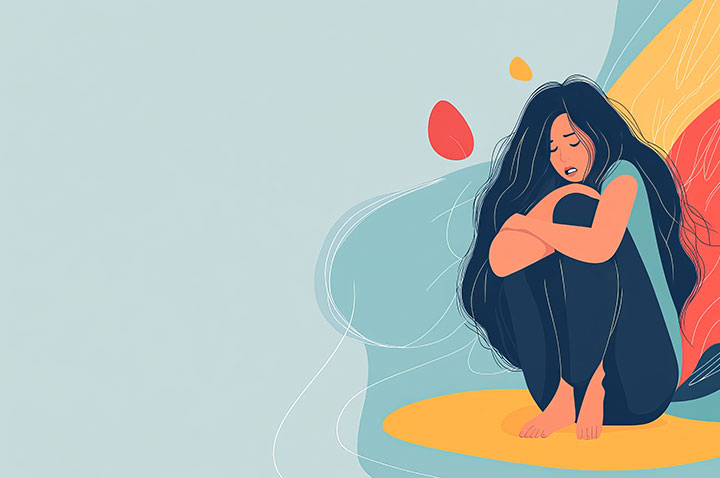
- overwhelmed by frustration
- trapped in anger that escalates rapidly
- misunderstood or judged
- ashamed after outbursts
- like emotions are “too big” to manage
- that everything feels unfair or impossible
They might say:
- “I can’t stop myself when I’m angry.”
- “It feels like my body explodes.”
- “Everyone is against me.”
- “I didn’t mean it, I just couldn’t calm down.”
For parents and carers
Parents often feel:
- exhausted by constant conflict
- worried about school exclusion
- torn between discipline and empathy
- unsure whether it’s behaviour or mental health
- fearful about long-term outcomes
DMDD often affects the entire family system.
3) Common signs & symptoms
DMDD includes both explosive outbursts and a chronically irritable baseline mood.
Severe temper outbursts
- shouting, screaming, swearing
- throwing objects or physical aggression
- intense meltdown-like reactions
- refusal to comply
- destructive behaviour
Outbursts typically occur:
- several times per week
- in more than one setting (e.g. home and school)
Persistent irritability between outbursts
- angry or hostile mood most days
- low frustration tolerance
- easily annoyed
- argumentative or defensive
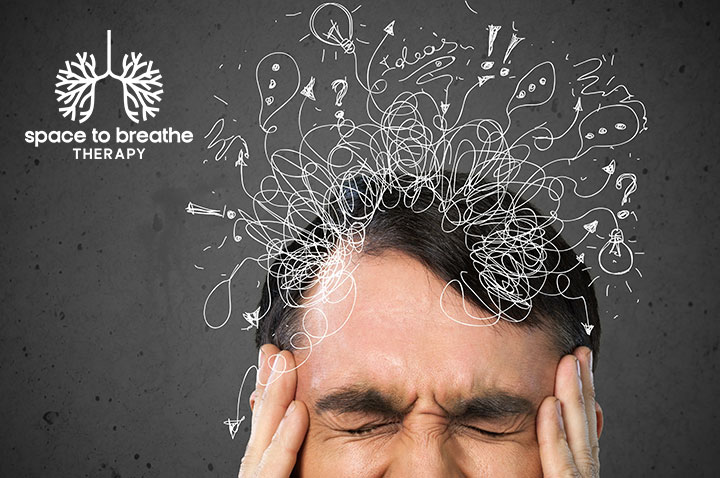
- constantly “on edge”
Impact on daily life
- school detentions or exclusion risk
- damaged friendships
- family conflict
- low self-esteem
- anxiety or sadness beneath anger
- being labelled as “the problem child”
4) What causes it / risk factors
DMDD develops from a combination of factors rather than one single cause.
Common contributors include:
- high emotional sensitivity
- difficulty regulating emotions
- chronic stress at home or school
- trauma or instability
- inconsistent boundaries
- bullying or peer rejection
- learning difficulties or sensory needs
- neurodevelopmental differences (e.g. ADHD, autism)
- family history of mood or anxiety disorders
DMDD is not “bad behaviour” — it reflects a nervous system that becomes overwhelmed quickly and struggles to recover.
5) Triggers (what can make it worse)
Outbursts are often triggered by frustration combined with loss of control.
Common triggers include:
- being told “no”
- changes in routine or transitions
- boredom or overstimulation
- school pressure
- sensory overload (noise, crowds, lights)
- hunger
- tiredness or poor sleep
- criticism or embarrassment
- feeling misunderstood
- social rejection
To the child, the reaction feels like a genuine emotional emergency.
6) What helps right now (fast relief tools)
These are immediate de-escalation strategies for parents, carers, and schools.
Co-regulation
- speak slowly and calmly
- reduce language
- keep tone neutral
- avoid lectures during outbursts
Reduce stimulation
- remove audience
- move to a quiet, safe space
- lower noise and lights
Safety first
- give physical space
- remove siblings or objects
- focus on preventing harm
Offer controlled choices
Example:
“You can sit here quietly or go to your calm space — you choose.”
Repair later
- reconnect once calm
- discuss behaviour afterwards, not during
7) Longer-term self-help strategies
DMDD improves with structure, skills, and consistent support.
Daily regulation routines
- consistent sleep and wake times
- regular meals and snacks
- daily movement
- clear transition warnings
Emotion education
Teach emotional language during calm moments:
- frustrated
- overwhelmed
- embarrassed
- worried
Anger scale and exit plan
Create levels (1–10) with agreed coping actions and safety steps.
Reinforce regulation
Praise and reward attempts to calm:
- walking away
- using words
- asking for help
Parent support
Parental burnout worsens outcomes — support matters.
8) Treatment options (what usually helps)
DMDD treatment focuses on the child and their environment.
Effective supports often include:
- parent training programmes
- CBT-based emotion regulation work
- school behaviour plans and pastoral support
- treatment of co-existing ADHD, anxiety, or autism
- family therapy where appropriate
Punishment alone is ineffective; treatment focuses on regulation and stability.
9) Medication overview (plain-English)
There is no single medication specifically for DMDD.
Medication may be considered if there are co-existing conditions such as:
- ADHD
- severe anxiety
- depression
- extreme aggression causing safety concerns
Medication decisions must be made by specialist clinicians and monitored carefully.
10) Work, relationships & daily life tips
School support
Helpful adjustments include:
- predictable routines
- calm-down spaces
- short, clear instructions
- emotional check-ins
- reduced public punishment
Friendships
Children may need support with:
- repairing conflict
- flexible thinking
- calm communication
- supervised social opportunities
Home life
- reduce power struggles
- keep boundaries calm and consistent
- separate behaviour from identity
A helpful family message:
“You are not bad. Your feelings are big. We’re learning how to manage them.”
11) When to seek urgent help
Seek urgent professional support if:
- outbursts involve serious violence
- the child harms themselves or others
- school exclusion is imminent
- the child expresses suicidal thoughts
- the family feels unsafe
- the child cannot function at home or school
If there is immediate danger, emergency services are appropriate.
12) Trusted help & resources
NHS / children’s mental health support
- Start with a GP for assessment and referral
- Under-18s are usually referred to CAMHS
Parent support
- YoungMinds Parents Helpline and resources
Children’s mental health guidance
- NHS advice on accessing child mental health services
Crisis support
- Samaritans: 116 123
- Shout: text SHOUT to 85258