
























.jpg)
1) What it is
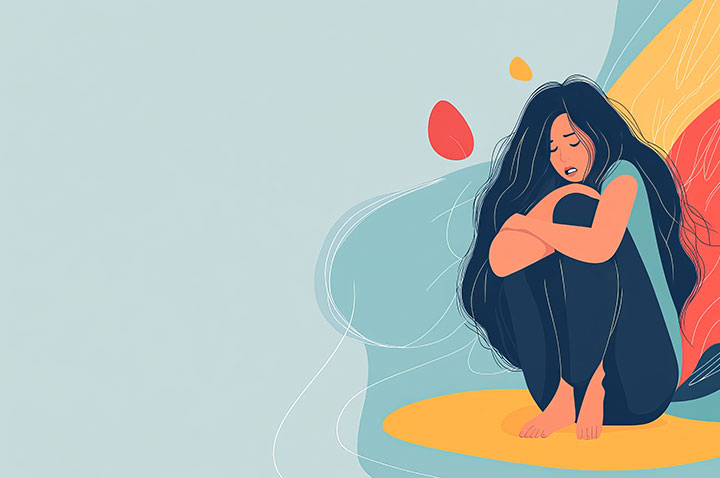
Dysthymia, also called Persistent Depressive Disorder (PDD), is a long-lasting form of depression where low mood continues for two years or more in adults.
Rather than a sudden depressive episode, dysthymia often feels like:
- a constant grey cloud
- ongoing low mood
- low energy and motivation
- life feeling heavy, dull, or flat
People with dysthymia often continue to function — working, parenting, showing up — but internally feel:
- tired and drained
- emotionally flat
- hopeless or resigned
- worn down over time
Because it develops gradually, many people assume this is “just how they are,” rather than recognising it as a treatable mental health condition.
2) What it feels like (real-life examples)
People commonly describe dysthymia as:
- “This is just my normal.”
- “I can’t remember the last time I felt happy.”
- “I function, but I’m not okay.”
- “Everything feels dull and heavy.”
- “I’m always tired, even when I rest.”
- “I don’t feel excited about anything.”
- “I’m just getting through life.”
Because symptoms are long-term and quieter than major depression, people may believe:
- it’s their personality
- they’re just negative
- life is meant to feel this way
Dysthymia is treatable — even if it’s been present for years.
3) Common signs & symptoms
Dysthymia involves persistent, often low-level depressive symptoms.
Emotional symptoms
- low mood most days
- reduced enjoyment or pleasure
- irritability or emotional flatness
- hopelessness
- low self-esteem
Thinking symptoms
- negative self-talk
- low confidence
- difficulty concentrating
- low motivation
- belief that nothing will change
Physical symptoms
- constant tiredness
- sleep problems (too much or too little)
- appetite changes
- low energy
- unexplained aches or pains
Behaviour patterns
- withdrawing socially
- reduced interest in hobbies
- procrastination and avoidance
- reduced self-care
- “going through the motions”
- overworking to distract, in some cases
Some people experience double depression, where a major depressive episode occurs on top of dysthymia.
4) What causes it / risk factors
Dysthymia usually develops from a combination of factors.
Life factors
- long-term stress
- unresolved grief or loss
- chronic relationship difficulties
- trauma history
- loneliness or lack of support
Biological and psychological factors
- family history of depression
- brain chemistry vulnerability
- long-term negative thinking patterns
- shame-based identity
- childhood emotional neglect
Because it develops slowly, dysthymia often becomes the “baseline mood.”
5) Triggers (what can make it worse)
Symptoms often worsen with:
- poor sleep
- burnout and exhaustion
- isolation
- winter or low daylight (for some)
- lack of structure or routine
- alcohol rebound mood dips
- ongoing stress (work, finances, caring)
- constant self-criticism
- feeling trapped or powerless
Long-term low mood can reduce hope — but improvement is still possible.
6) What helps right now (fast relief tools)
Support focuses on gentle activation, not pressure.
One small action
Choose one:
- drink water
- open curtains
- shower
- make something simple to eat
Ten minutes of movement
A short walk or stretch can improve mood chemistry, even without motivation.
Reduce isolation slightly
Message one person:
“I’m feeling low and flat — can we check in?”
Act before motivation
Motivation follows action.
“I’ll do this imperfectly. That still counts.”
Gentle self-compassion
Replace harsh thoughts with:
“I’m carrying a lot. I deserve care.”
7) Longer-term self-help strategies
Dysthymia improves through consistency, not intensity.
Behavioural activation
Each day aim for:
- one achievement task
- one connection task
- one pleasure task
Routine and structure
- consistent wake time
- regular meals
- daylight exposure
- calming bedtime routine
Shift long-term thinking patterns
Replace:
“Nothing will change”
with
“Change is slow, but possible.”
Reconnect with meaning
Explore:
- values
- interests
- identity beyond low mood
Therapy support
Helpful for:
- long-term beliefs
- emotional numbness
- identity shaped by depression
8) Treatment options (what usually helps)
Treatment often includes:
Talking therapies
- CBT
- counselling
- structured long-term therapy
Medication
Antidepressants may be offered if symptoms are persistent or severe.
Combined approach
Many people benefit most from:
therapy + routine changes + medication (when appropriate)
Persistent depression is treatable.
9) Medication overview (plain-English)
Medication may help if:
- low mood has lasted years
- hopelessness is constant
- self-help alone hasn’t helped
Medication should always be prescribed and reviewed by a clinician, and not stopped suddenly.
10) Work, relationships & daily life tips
Work
- limit daily priorities (three maximum)
- take regular breaks
- avoid burnout cycles
- request adjustments if needed
Relationships
Helpful explanation:
“I function, but I feel flat most days.”
Ask for:
- steady support
- gentle connection
- no pressure to “cheer up”
Daily life
- schedule small pleasures
- keep movement gentle
- reduce alcohol
- protect sleep routine
11) When to seek urgent help
Seek urgent support if:
- you feel suicidal
- you feel unable to stay safe
- symptoms become severe
- you stop eating or sleeping
- functioning collapses
Long-term depression deserves care, not minimisation.
12) Trusted help & resources
NHS support
- NHS: Persistent depressive disorder (dysthymia)
- NHS: Depression treatment overview
- NHS Talking Therapies (England)
Support and advice
- Mind: Depression support
24/7 emotional support
- Samaritans: 116 123
- Shout: text SHOUT to 85258






