



























.jpg)
1) What it is
Generalised Anxiety Disorder (GAD) is a form of anxiety where a person experiences excessive worry on most days, often about multiple areas of life such as:
- health
- money
- family
- work
- everyday responsibilities
The worry is difficult to switch off, feels uncontrollable, and is usually accompanied by physical symptoms of anxiety.
2) What it feels like (real-life examples)
People often say:
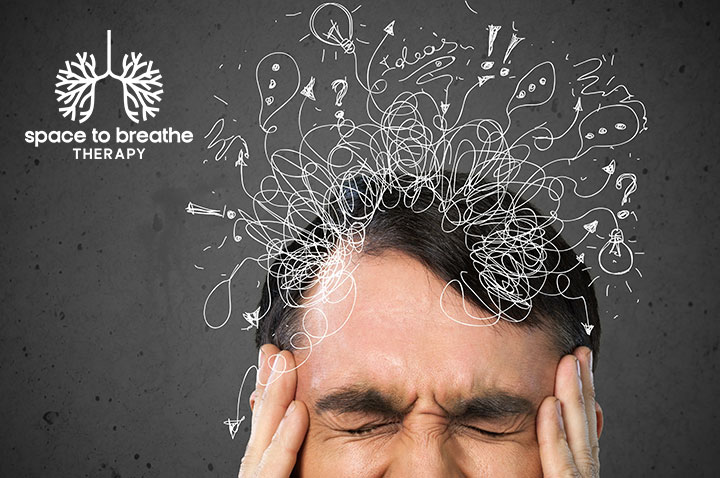
- “My mind won’t stop running through worst-case scenarios.”
- “Even when things are okay, I feel on edge.”
- “I’m exhausted from thinking.”
- “I can’t relax — something always feels wrong.”
Many describe feeling constantly “on alert,” as if danger is always around the corner.
3) Common signs & symptoms
- constant worrying and rumination
- restlessness or feeling “keyed up”
- irritability
- poor concentration or “brain fog”
- sleep problems
- muscle tension or headaches
- stomach upset or nausea
- racing heart or shortness of breath (sometimes)
4) What causes it / risk factors
GAD often develops from a combination of factors, including:
- genetic vulnerability
- long-term stress or high responsibility
- trauma history
- perfectionism or very high standards
- health anxiety patterns
- lack of rest, support, or recovery time
5) Triggers (what can make it worse)
- uncertainty and change
- conflict or criticism
- lack of sleep
- caffeine or alcohol rebound anxiety
- doomscrolling or constant news checking
- overworking and burnout
6) What helps right now (fast relief tools)
- long-exhale breathing (inhale 4, exhale 6–8, repeat 6 times)
- write the worry down and label it: “future worry”
- ask: “What is the next helpful step, not the whole solution?”
- 5–4–3–2–1 grounding
- move your body for 10 minutes (walk or stretch)
7) Longer-term self-help strategies
- scheduled worry time (10–15 minutes daily) so worry doesn’t fill the whole day
- gradually reduce reassurance-seeking and checking
- regular exercise and a protected sleep routine
- CBT-style thought work (possibility vs probability)
- build stress capacity with routines, boundaries, and rest
8) Treatment options (what usually helps)
NHS treatment options for GAD commonly include:
- talking therapies (often CBT)
- medication (often SSRIs)
- referral to specialist services when needed
Many people benefit most from a combination of therapy and medication.
9) Medication overview (plain-English)
Medication can help lower the baseline level of anxiety so coping skills and therapy work more effectively.
SSRIs are commonly used. Treatment should always be guided by a GP or psychiatrist.
10) Work, relationships & daily life tips
- share a simple explanation: “My brain goes to worst-case scenarios.”
- reduce multitasking; use written plans and lists
- schedule daily decompression time
- ask for clear expectations at work (uncertainty fuels GAD)
11) When to seek urgent help
Seek urgent help if:
- panic or anxiety feels unmanageable
- you cannot sleep for multiple nights
- you are having suicidal thoughts
12) Trusted help & resources
Get help (National support)
- NHS: Generalised anxiety disorder (GAD)
- NHS: Talking therapies and self-referral
- NHS: Mental health services and urgent help
- Samaritans: 116 123 (24/7)
- Shout: text SHOUT to 85258