





















.jpg)
1) What it is
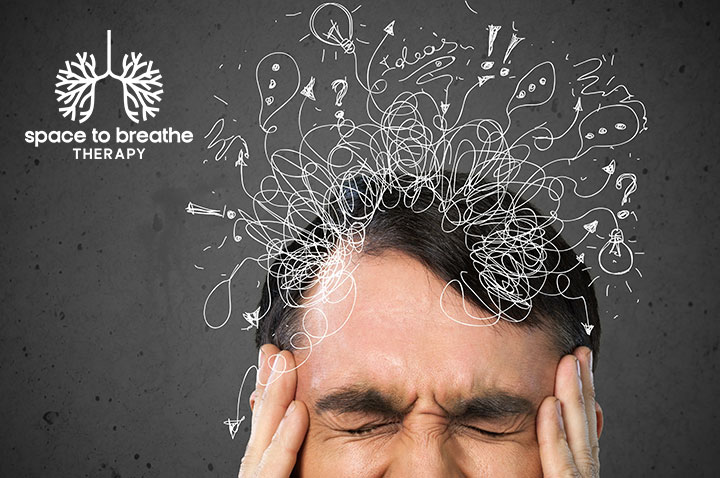
Harm OCD is a type of Obsessive Compulsive Disorder involving unwanted intrusive thoughts or images about harming oneself or others. These thoughts are not desires or intentions.
OCD follows a cycle of obsession → anxiety → compulsions.
2) What it feels like
- “What if I stabbed someone?”
- “What if I lose control?”
- “I feel terrified of my own thoughts.”
People feel horrified, ashamed, and desperate for reassurance.
3) Common signs & symptoms
Obsessions
- intrusive harm thoughts
- fear of losing control
- “what if” loops
Compulsions
- checking
- avoiding knives/driving
- reassurance seeking
- mental reviewing
4) Causes / risk factors
- anxiety sensitivity
- OCD brain habit loops
- stress and burnout
- trauma (not always present)
5) Triggers
- sleep deprivation
- stress
- new parenting roles
- knives, heights, traffic
- disturbing media
6) What helps right now
- label it: “intrusive thought”
- don’t analyse it
- delay reassurance
- grounding + long exhales
- refocus on real tasks
7) Longer-term strategies
- ERP principles
- reduce compulsions
- uncertainty tolerance
- CBT tools
8) Treatment options
CBT with ERP and SSRIs are standard treatments.
9) Medication overview
SSRIs can reduce intensity; clinician-guided.
10) Daily life tips
- explain intrusive thoughts ≠ intent
- avoid reassurance loops
- keep routines stable
11) When to seek urgent help
- suicidal risk
- severe distress
- inability to function
12) Trusted help & resources
- NHS: OCD overview
- OCD Action
- OCD UK
- Samaritans / Shout

A-Z Mental Health
Health Support Directory
Practitioners & Contributors Directory
Depression & Emotional Distress
Substance Misuse
Understanding Grief
Neurodiversity
LGBTQ+
Physical Health & Body Awareness
Food Nutrition & Mental Health
Disability in the Workplace & Career Support
Inspirational Content
Fun & Interactive
Video and Audio
Men’s Mental Health
Trauma
Eating Disorders
Courses and Learning Hub
Social Media
Product Advertisements
Legal and Rights Information