

























.jpg)
1) What it is
Health anxiety is when worry about illness becomes excessive and starts taking over your life. The NHS describes it as spending so much time worrying you’re ill (or will get ill) that it takes over daily life, and notes it’s related to OCD.
2) What it feels like
“I can’t stop worrying I’m dying.”
“I keep checking symptoms online.”
“Doctors reassure me but I still feel unsafe.”
“I feel panicked about my body constantly.”
3) Common signs & symptoms
- body scanning and symptom checking
- repeated GP/ER visits OR avoiding doctors
- reassurance seeking from others
- Googling symptoms repeatedly
- fear of cancer/heart disease/serious illness
- panic symptoms (tight chest, sweating, nausea)
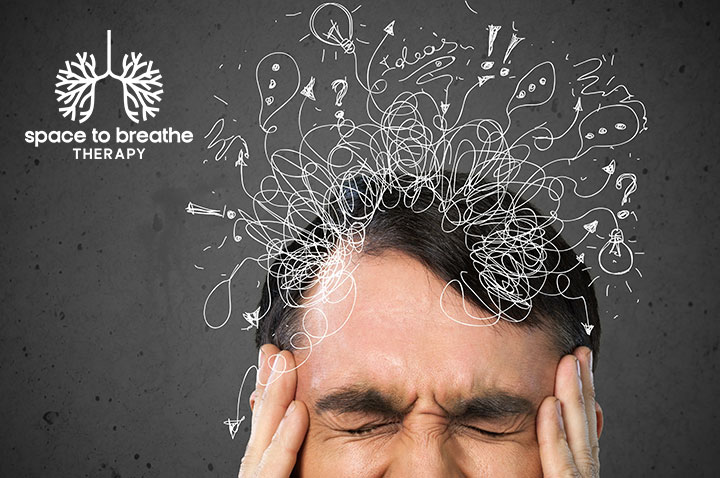
- constant “what if” spirals
4) What causes it / risk factors
- anxiety sensitivity to body sensations
- OCD-style checking loops
- past illness/trauma/bereavement
- chronic stress
- uncertainty intolerance
- health-related social media content
5) Triggers
- sensations (palpitations, headaches, tingles)
- medical stories/news
- anniversaries of illness/loss
- stress and sleep deprivation
- waiting for results
- exposure to hospitals/ill people
6) What helps right now
- stop Googling (set a “no symptom search” rule)
- delay checking for 15 minutes
- breathe slowly + ground
- label the thought: “health anxiety alarm”
- focus on what helps body safety now: water, food, rest
7) Longer-term self-help strategies
- CBT for health anxiety
- reduce reassurance habits gradually
- schedule “worry time” instead of all-day worry
- practise uncertainty tolerance
- keep one consistent GP (avoid repeated tests for reassurance)
8) Treatment options
NHS recommends getting support and explains health anxiety can be treated and managed, often through talking therapies like CBT.
9) Medication overview
Medication may help general anxiety/depression alongside therapy (GP-guided).
10) Work, relationships & daily life tips
- ask loved ones not to reassure repeatedly (feeds the cycle)
- reduce body checking routines
- limit medical content online
- build stable routines: sleep, meals, movement
11) When to seek urgent help
Urgent help if:
- panic becomes constant and disabling
- suicidal thoughts
- compulsive checking dominates the whole day
12) Trusted help & resources
- NHS: Health anxiety
- NHS Talking Therapies (England)
- Samaritans 116 123 / Shout 85258

A-Z Mental Health
Health Support Directory
Practitioners & Contributors Directory
Depression & Emotional Distress
Substance Misuse
Understanding Grief
Neurodiversity
LGBTQ+
Physical Health & Body Awareness
Food Nutrition & Mental Health
Disability in the Workplace & Career Support
Inspirational Content
Fun & Interactive
Video and Audio
Men’s Mental Health
Trauma
Eating Disorders
Courses and Learning Hub
Social Media
Product Advertisements
Legal and Rights Information





