





























.jpg)
1) What it is
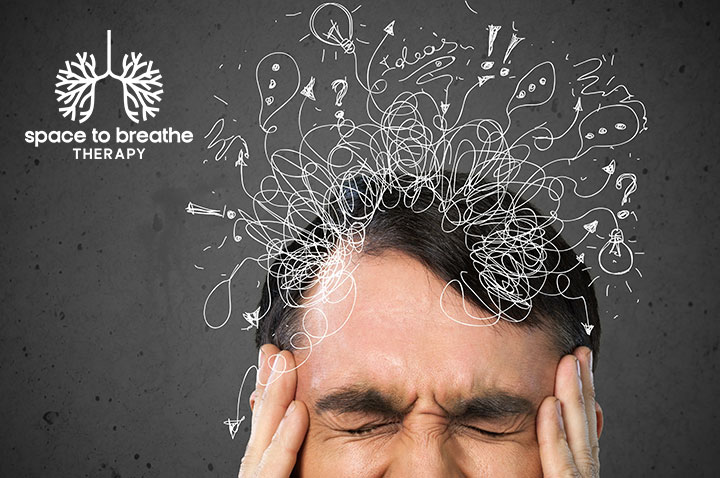
Intrusive thoughts are unwanted, distressing thoughts, images, or urges that pop into your mind suddenly. They often feel shocking or frightening because they go against your values.
The NHS explains OCD obsessions are intrusive and distressing thoughts/images/urges.
Intrusive thoughts are common — the issue is how much meaning you attach to them.
2) What it feels like
“What if I hurt someone?”
“What if I shouted something inappropriate?”
“What if I’m a bad person for thinking this?”
“I feel disgusted and scared of my own mind.”
3) Common signs & symptoms
- thoughts feel repetitive, sticky, distressing
- anxiety, shame, panic after the thought
- trying to neutralise it (mental rituals)
- reassurance seeking (“Would I ever do this?”)
- avoidance of triggers (knives, babies, bridges, etc.)
- checking behaviour (body/memory/reality checking)
4) What causes it / risk factors
- stress and burnout
- anxiety disorders
- OCD patterns (obsession → distress → compulsion)
- postnatal/perinatal vulnerability (very common)
- trauma sensitivity (sometimes)
5) Triggers
- exhaustion and poor sleep
- responsibility pressure (parenting, safety fears)
- being around feared objects
- conflict and shame
- “what if” thinking spirals
- social media/graphic content
6) What helps right now
- label it: “intrusive thought”
- don’t argue with it
- don’t analyse meaning
- return attention to your real-world task
- long exhale breathing
- delay reassurance seeking (10 minutes)
7) Longer-term self-help strategies
- reduce compulsions gradually
- practise uncertainty tolerance (“Maybe, maybe not”)
- ERP principles: face triggers without neutralising
- therapy support if persistent
- stress and sleep stabilisation
8) Treatment options
- CBT with ERP (especially if OCD-based)
- medication (SSRIs) can help if severe
- specialist OCD support if available
9) Medication overview
Medication can reduce intensity so skills work better — especially when thoughts trigger compulsions and avoidance.
10) Work, relationships & daily life tips
- tell trusted people: “Thoughts are not intent.”
- avoid confessing/reassurance loops
- keep a coping plan for spikes
- focus on action-based values (“I’m safe and caring”)
11) When to seek urgent help
Urgent help if:
- thoughts are linked to suicidal risk
- you feel unable to keep yourself safe
- compulsions take hours a day
- severe panic or dissociation
12) Trusted help & resources
NHS: OCD symptoms (intrusive obsessions)
NHS: OCD overview
Samaritans 116 123 / Shout 85258

A-Z Mental Health
Health Support Directory
Practitioners & Contributors Directory
Depression & Emotional Distress
Substance Misuse
Understanding Grief
Neurodiversity
LGBTQ+
Physical Health & Body Awareness
Food Nutrition & Mental Health
Disability in the Workplace & Career Support
Inspirational Content
Fun & Interactive
Video and Audio
Men’s Mental Health
Trauma
Eating Disorders
Courses and Learning Hub
Social Media
Product Advertisements
Legal and Rights Information