
























.jpg)
1) What it is
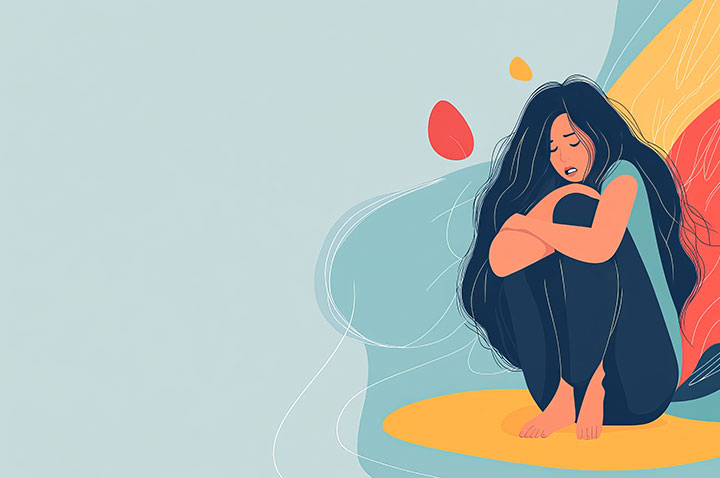
Depression in children and teens is more than “moodiness.” It’s a mental health condition involving persistent sadness, irritability, low motivation, and loss of enjoyment, affecting school, friendships and family life. NHS explains depression affects how you feel and can be treated.
In teens, depression may show more as:
- irritability
- anger
- withdrawal
- exhaustion
2) What it feels like (real-life examples)
A young person may say:
“I feel empty.”
“Nothing matters.”
“I’m tired all the time.”
“I hate myself.”
“I don’t want to be here.”
Parents may see:
- withdrawal from friends
- school refusal
- sleep pattern changes
- crying or anger outbursts
3) Common signs & symptoms
- low mood or persistent irritability
- loss of interest in hobbies
- isolation and withdrawal
- sleep changes (too much or too little)
- appetite changes
- low self-esteem and guilt
- concentration problems
- decline in school performance
- self-harm thoughts or behaviours (some cases)
4) What causes it / risk factors
- bullying / friendship breakdown
- family conflict or separation
- trauma or abuse
- social media pressure
- academic stress
- neurodiversity (ADHD/autism)
- family history of depression
- grief and loss
5) Triggers (what can make it worse)
- exams, school stress
- isolation and screens late at night
- conflict and criticism
- lack of sleep
- rejection/embarrassment events
- feeling unheard or invalidated
6) What helps right now (fast relief tools)
For the young person:
- tiny actions (shower, snack, fresh air)
- reduce isolation slightly (text one safe person)
- soothing activity (music, comfort items)
For parents:
- calm presence (don’t lecture mid-crisis)
- validate feelings (“That sounds heavy”)
- remove pressure and focus on safety
7) Longer-term self-help strategies
- stable routines: sleep, meals, daylight
- small goals daily (achievement + connection + pleasure)
- reduce screen overload
- build trusted adult support network
- therapy skills (CBT-based tools)
- school support plan
8) Treatment options (what usually helps)
- CAMHS or school mental health support
- CBT / counselling
- family support interventions
- medication may be considered for moderate/severe depression (specialist-led)
9) Medication overview (plain-English)
Medication is sometimes used in young people for moderate/severe depression, under specialist guidance, alongside therapy.
10) Work, relationships & daily life tips
For parents/carers:
- predictable, calm routines
- reduce shame and criticism
- check-in daily (brief, consistent)
- help with school communication
- remove pressure and build safety
11) When to seek urgent help
Urgent help if:
- self-harm or suicidal thoughts
- the young person cannot be kept safe
- severe withdrawal/refusal to eat/drink
- rapid deterioration
12) Trusted help & resources
- NHS: Depression overview
- YoungMinds (parents + young people support)
- Childline 0800 1111
- Samaritans 116 123 / Shout 85258

A-Z Mental Health
Health Support Directory
Practitioners & Contributors Directory
Depression & Emotional Distress
Substance Misuse
Understanding Grief
Neurodiversity
LGBTQ+
Physical Health & Body Awareness
Food Nutrition & Mental Health
Disability in the Workplace & Career Support
Inspirational Content
Fun & Interactive
Video and Audio
Men’s Mental Health
Trauma
Eating Disorders
Courses and Learning Hub
Social Media
Product Advertisements
Legal and Rights Information





