



























.jpg)
1) What it is
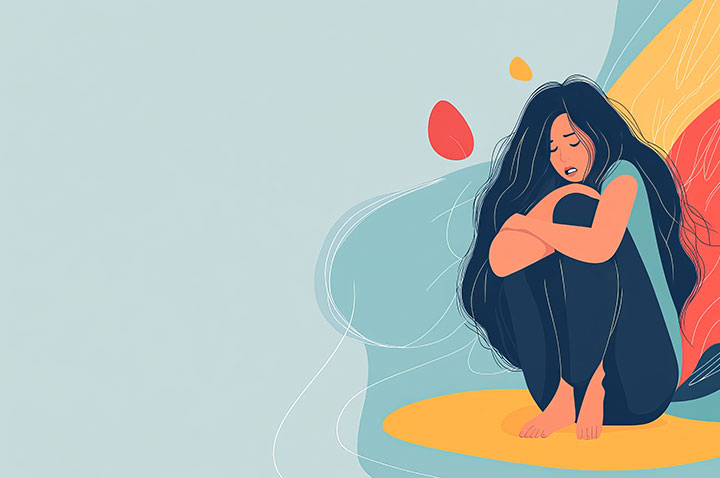
Loneliness is the painful feeling of being disconnected or unseen. You can feel lonely even around people. Long-term loneliness increases risk of anxiety, depression, low self-worth and unhealthy coping behaviours.
2) What it feels like (real-life examples)
“No one really knows me.”
“I feel invisible.”
“I’m always the one who reaches out.”
“I feel like everyone else has people.”
“I’m lonely even in my relationship.”
3) Common signs & symptoms
- low mood, tearfulness
- overthinking social interactions
- isolating or avoiding others
- feeling rejected easily
- sleep changes
- increased social media use (comparison)
- loss of motivation
- anxiety in social settings
4) What causes it / risk factors
- moving house / relationship breakup
- bereavement
- new parenthood
- health problems or disability
- remote work and lack of routine
- trauma and trust issues
- social anxiety and low self-esteem
5) Triggers (what can make it worse)
- weekends and evenings
- seeing others socialising online
- feeling excluded from plans
- anniversaries/holidays
- low energy days
- rejection or conflict
6) What helps right now (fast relief tools)
- message one safe person: “Fancy a quick chat?”
- go somewhere with people (even without talking): café, shop, library
- join a local group online today
- do a small act of connection (comment, call, voice note)
- practise self-compassion: loneliness is human, not failure
7) Longer-term self-help strategies
- build “light connections” weekly (classes, walking groups)
- volunteering (purpose + connection)
- create a social routine (1 thing a week minimum)
- therapy for social anxiety or trauma blocks
- limit comparison-based social media
8) Treatment options (what usually helps)
- talking therapies (CBT for social anxiety/low mood)
- community groups and social prescribing via GP
- bereavement support if loss-related
9) Medication overview (plain-English)
Loneliness isn’t treated with medication itself, but depression/anxiety related to loneliness may be treated clinically.
10) Work, relationships & daily life tips
- plan social contact like an appointment
- build a “small circle” instead of chasing lots of people
- aim for consistency over intensity
- practise sending simple invitations without overthinking
- don’t wait until you feel confident — confidence builds after action
11) When to seek urgent help
Urgent help if:
- loneliness becomes hopelessness
- suicidal thoughts
- complete withdrawal for long periods
- alcohol/drug coping increases
12) Trusted help & resources (UK)
- NHS: Urgent mental health help
- Samaritans 116 123 (24/7)
- Shout: text SHOUT to 85258 (24/7)
- Mind (loneliness and mental health support)

A-Z Mental Health
Health Support Directory
Practitioners & Contributors Directory
Depression & Emotional Distress
Substance Misuse
Understanding Grief
Neurodiversity
LGBTQ+
Physical Health & Body Awareness
Food Nutrition & Mental Health
Disability in the Workplace & Career Support
Inspirational Content
Fun & Interactive
Video and Audio
Men’s Mental Health
Trauma
Eating Disorders
Courses and Learning Hub
Social Media
Product Advertisements
Legal and Rights Information





