
























.jpg)
1) What it is (simple explanation)
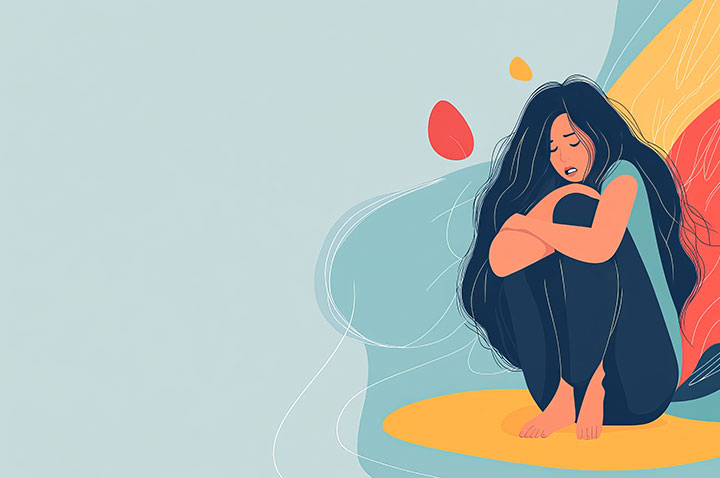
Major Depressive Disorder (MDD), often called clinical depression, is a mental health condition where low mood and loss of interest last most days for at least 2 weeks, affecting sleep, energy, thinking, motivation, and daily functioning. It is more than sadness — it can feel like your mind and body are “switched off” or weighed down.
Depression can range from mild to severe, and it is treatable with support such as talking therapies, lifestyle changes, and sometimes medication.
2) What it feels like (real-life examples)
“I feel empty, numb, or constantly sad.”
“I don’t enjoy anything anymore.”
“Everything feels pointless.”
“I’m exhausted all the time.”
“Even getting washed feels impossible.”
“I feel like a burden.”
3) Common signs & symptoms
- persistent low mood, numbness, or tearfulness
- loss of interest/pleasure
- fatigue, lack of energy
- sleep changes (insomnia or oversleeping)
- appetite/weight changes
- poor concentration and memory
- feelings of guilt, shame, worthlessness
- hopelessness and helplessness
- physical aches, heaviness
- suicidal thoughts or self-harm urges (sometimes)
4) What causes it / risk factors
- genetics/family history
- long-term stress or burnout
- trauma or abuse history
- grief, loss, relationship breakdown
- loneliness and isolation
- chronic illness or pain
- hormones (postnatal, menopause, thyroid issues)
- substance use or withdrawal
- repeated “failure” experiences impacting confidence
5) Triggers (what can make it worse)
- lack of sleep or disrupted routine
- isolation and not leaving the house
- alcohol and drugs (often worsen mood)
- social media comparison
- financial stress
- criticism, rejection, conflict
- anniversaries and reminders of loss
- overworking with no recovery time
6) What helps right now (fast relief tools)
Tool 1: “Tiny tasks only”
Choose one small action:
- shower OR
- drink water OR
- eat something simple OR
- step outside for 2 minutes
Tool 2: Reduce decision pressure
Write a 3-item plan only:
- food
- fresh air
- rest
Tool 3: Body reset
Breathing: inhale 4, exhale 8 (repeat 8 times)
Tool 4: Human contact
Text one person:
“I’m struggling today. Can you check in?”
Tool 5: Lower the bar
Your goal is survival and safety, not productivity.
7) Longer-term self-help strategies
- build routine: sleep, meals, daylight, movement
- behavioural activation: small daily actions even without motivation
- reduce avoidance gradually
- journal: “what drains me / what helps me”
- therapy for thinking patterns (CBT)
- increase connection (one weekly activity)
- reduce alcohol and substances
- build meaning: hobbies, volunteering, goals
8) Treatment options (what usually helps)
- NHS Talking Therapies / CBT
- counselling or psychotherapy
- GP support and regular check-ins
- medication for moderate to severe depression
- support groups and recovery programmes
- crisis support if risk is high
9) Medication overview (plain-English)
Antidepressants can help improve mood, energy and sleep, especially for moderate/severe depression. They usually take a few weeks to build benefit and are best used alongside supportive routines and/or therapy (GP-guided).
10) Work, relationships & daily life tips
- reduce workload or request a fit note if needed
- aim for consistent wake time
- avoid isolating all day
- let trusted people know what helps (practical support, low pressure)
- keep your environment gentle: simple meals, clean space, calm noise
- do not make huge life decisions during a deep low
11) When to seek urgent help
Urgent help if:
- suicidal thoughts or plans
- self-harm urges feel uncontrollable
- you can’t get out of bed for days and feel unsafe
- you stop eating/drinking
- severe agitation, panic, or dissociation appears
12) Trusted help & resources (UK)
- NHS: Urgent mental health help
- Samaritans 116 123 (24/7)
- Shout: text SHOUT to 85258 (24/7)
- Mind: depression information and support
- NHS Talking Therapies (self-refer in England)