


























.jpg)
1) What it is
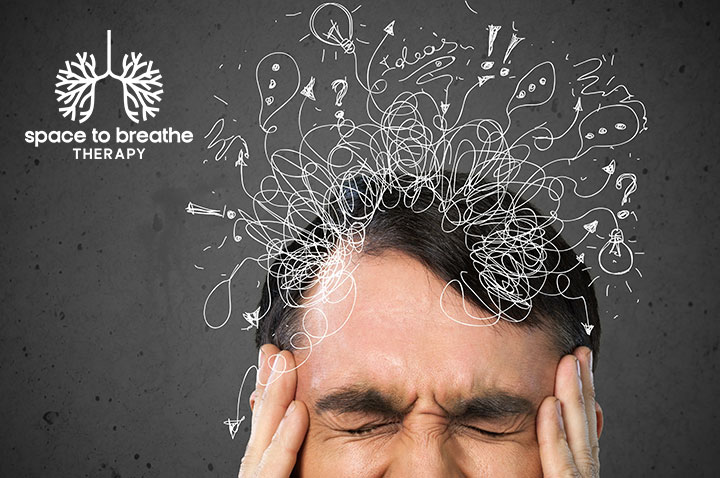
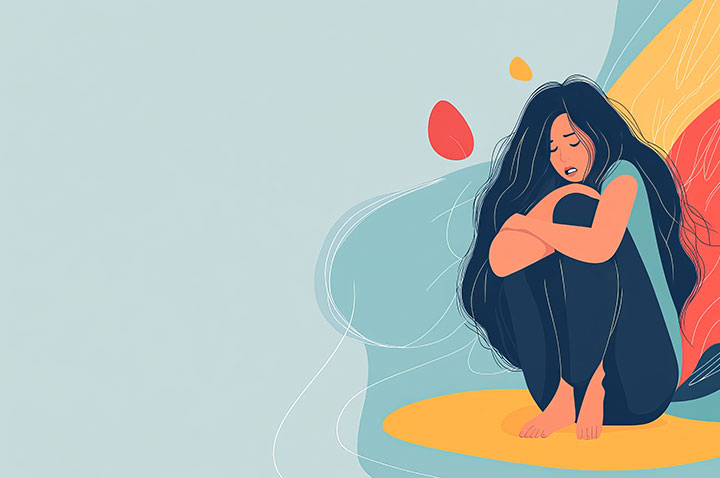
Mental exhaustion happens when long-term stress overwhelms your nervous system. Your body and mind stop recovering properly, leading to shutdown, fatigue, poor concentration, and low emotional resilience.
Burnout often includes exhaustion, cynicism or detachment, and a reduced ability to cope.
2) What it feels like
- “I’m tired down to my bones.”
- “I can’t think properly.”
- “Everything feels too much.”
- “Even small things overwhelm me.”
3) Common signs
- Constant fatigue (even after rest)
- Brain fog or poor concentration
- Irritability or emotional sensitivity
- Emotional numbness or detachment
- Sleep problems
- Anxiety and/or low mood
- Withdrawing from people or tasks
- Increased reliance on caffeine, alcohol, or stimulants
4) Common causes
- Overworking without recovery
- Caring or responsibility-heavy roles
- Trauma or long-term stress
- Perfectionism or people-pleasing
- Lack of support
- Poor boundaries
- Feeling constantly “on”
5) Common triggers
- Constant notifications or interruptions
- No breaks or downtime
- Ongoing conflict
- Poor sleep
- High responsibility with little control
- No clear “off switch”
6) What helps right now
- Stop and rest without guilt
- Meet basic needs: eat, drink water, shower
- Reduce stimulation (screens, noise, demands)
- Take a 10-minute walk outdoors
- Speak to one supportive person
Small actions count when energy is low.
7) Longer-term support
- Reduce workload and strengthen boundaries
- Therapy to address stress patterns
- Regular recovery rituals (not just weekends)
- Gentle, consistent exercise
- Stable sleep routines
- Time off or adjustments if needed
8) Treatment options
- GP support and fit notes
- NHS Talking Therapies
- Counselling or coaching
- Occupational health (if work-related)
9) Medication
If anxiety or depression is present, medication may help alongside rest and therapy. It’s not a failure — it’s one tool among many.
10) Practical mindset tips
- Treat rest like medicine, not a reward
- Plan downtime daily, not just “when free”
- Reduce unrealistic standards
- Aim for good enough, not perfect
Recovery comes from consistency, not pushing harder.
11) When it’s urgent
Seek urgent help if you experience:
- Suicidal thoughts
- Daily panic attacks
- Inability to function for several days
12) UK support
- NHS urgent mental health services
- Samaritans
- Shout
- Mind

A-Z Mental Health
Health Support Directory
Practitioners & Contributors Directory
Depression & Emotional Distress
Substance Misuse
Understanding Grief
Neurodiversity
LGBTQ+
Physical Health & Body Awareness
Food Nutrition & Mental Health
Disability in the Workplace & Career Support
Inspirational Content
Fun & Interactive
Video and Audio
Men’s Mental Health
Trauma
Eating Disorders
Courses and Learning Hub
Social Media
Product Advertisements
Legal and Rights Information





