


























.jpg)
1) What it is
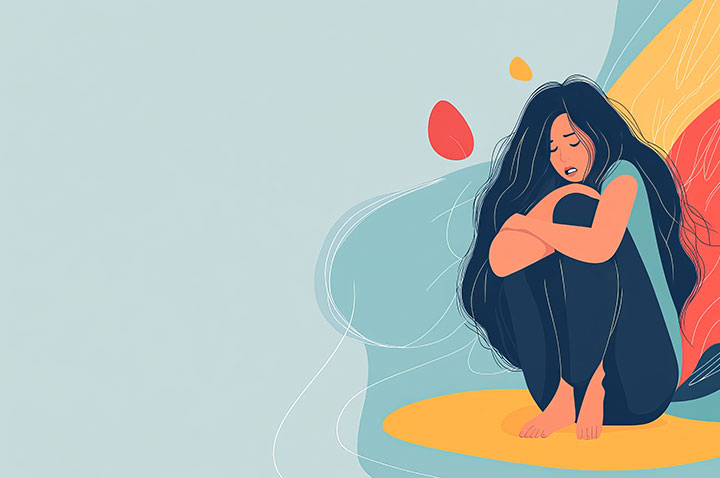
Mood swings are rapid or frequent changes in emotional state (sad → angry → anxious → fine). Everyone has mood shifts, but if they’re intense, frequent, or disruptive, they may be linked to stress, hormones, trauma, neurodiversity, depression, bipolar disorder, BPD/EUPD, or substance use.
2) What it feels like
“My emotions flip fast and I don’t know why.”
“I overreact and then feel guilty.”
“One minute I’m okay, next I’m in pieces.”
“I feel out of control.”
3) Common signs & symptoms
- irritability, tearfulness, anger surges
- sensitivity to rejection
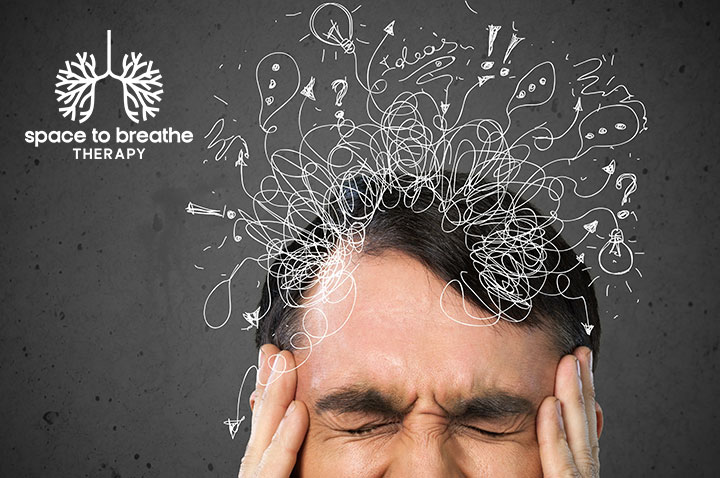
- emotional overwhelm
- impulsive reactions
- difficulty calming down
- relationship conflict
- feeling ashamed afterwards
- exhaustion from emotional intensity
4) What causes it / risk factors
- chronic stress and burnout
- poor sleep
- hormones (PMS/PMDD, menopause)
- trauma and emotional triggers
- ADHD/autism (emotional regulation difficulties)
- depression/anxiety
- substance use
- unstable environments or relationships
5) Triggers
- criticism and conflict
- tiredness or hunger
- overwhelm and sensory overload
- alcohol
- feeling ignored/rejected
- social media comparison
- rushing and pressure
6) What helps right now
- pause before responding (10-second rule)
- cold water on face / ice pack
- long exhale breathing
- step away from conflict (“I need a break”)
- basic needs check: food, water, sleep
7) Longer-term strategies
- mood tracking (patterns + cycle awareness)
- emotional regulation skills (DBT tools)
- consistent routines
- therapy for trauma triggers
- reduce substances
- build calm communication skills
8) Treatment options
- CBT/DBT skills therapy
- GP assessment if severe or persistent
- hormonal support if cycle-related
- mental health evaluation if bipolar suspected
9) Medication overview
Medication depends on the cause (depression/anxiety, bipolar, PMDD, etc.) and should be clinician-led.
10) Daily life tips
- plan recovery time daily
- reduce decision-making during spikes
- communicate needs clearly
- avoid making big choices during intense emotions
11) When to seek urgent help
Urgent help if:
- self-harm urges
- suicidal thoughts
- aggressive loss of control
- mania symptoms (no sleep, racing thoughts)
12) UK help
- NHS urgent mental health help
- Samaritans / Shout
- NHS Talking Therapies
- Mind

A-Z Mental Health
Health Support Directory
Practitioners & Contributors Directory
Depression & Emotional Distress
Substance Misuse
Understanding Grief
Neurodiversity
LGBTQ+
Physical Health & Body Awareness
Food Nutrition & Mental Health
Disability in the Workplace & Career Support
Inspirational Content
Fun & Interactive
Video and Audio
Men’s Mental Health
Trauma
Eating Disorders
Courses and Learning Hub
Social Media
Product Advertisements
Legal and Rights Information





