
























.jpg)
1) What it is
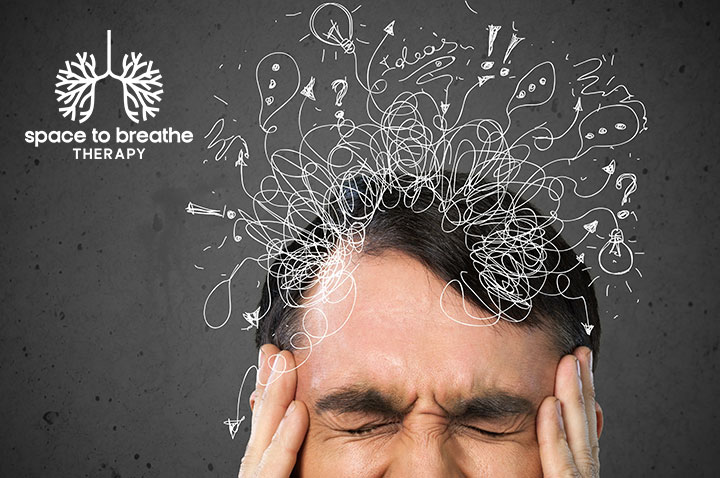
Negative thought patterns are repeated mental habits that focus on danger, failure, or rejection. They are common in anxiety and depression. Thoughts feel true, but they are often “mind stories,” not facts.
2) What it feels like
- “Everything will go wrong.”
- “I’m a failure.”
- “No one likes me.”
- “I can’t cope.”
3) Common signs
- catastrophising
- black-and-white thinking
- mind reading (“they hate me”)
- overgeneralising (“always” / “never”)
- rumination and replaying mistakes
- constant self-criticism
4) Causes
- anxiety and trauma patterns
- depression
- low self-esteem
- learned criticism from childhood
- chronic stress
5) Triggers
- mistakes and criticism
- social interactions
- tiredness or hunger
- uncertainty
- deadlines and pressure
6) What helps now
- label it: “negative thought pattern”
- ask: “what’s the evidence?”
- write a balanced alternative thought
- grounding and breathing
- do one small action (action breaks rumination)
7) Longer-term support
- CBT thought challenging
- reducing comparison habits
- self-compassion practice
- journalling patterns and triggers
- strengthening identity beyond achievement
8) Treatment options
- CBT or counselling
- behavioural activation
- trauma-informed therapy if needed
9) Medication
Medication does not target thoughts directly, but can help underlying anxiety or depression.
10) Practical tips
- don’t argue with thoughts endlessly
- act based on values, not fear
- practise “good enough” daily
11) When to seek urgent help
Urgent help if:
- thoughts become suicidal
- extreme hopelessness develops
12) UK help & support
- NHS Talking Therapies
- Mind
- Samaritans / Shout

A-Z Mental Health
Health Support Directory
Practitioners & Contributors Directory
Depression & Emotional Distress
Substance Misuse
Understanding Grief
Neurodiversity
LGBTQ+
Physical Health & Body Awareness
Food Nutrition & Mental Health
Disability in the Workplace & Career Support
Inspirational Content
Fun & Interactive
Video and Audio
Men’s Mental Health
Trauma
Eating Disorders
Courses and Learning Hub
Social Media
Product Advertisements
Legal and Rights Information