



























.jpg)
1) What it is
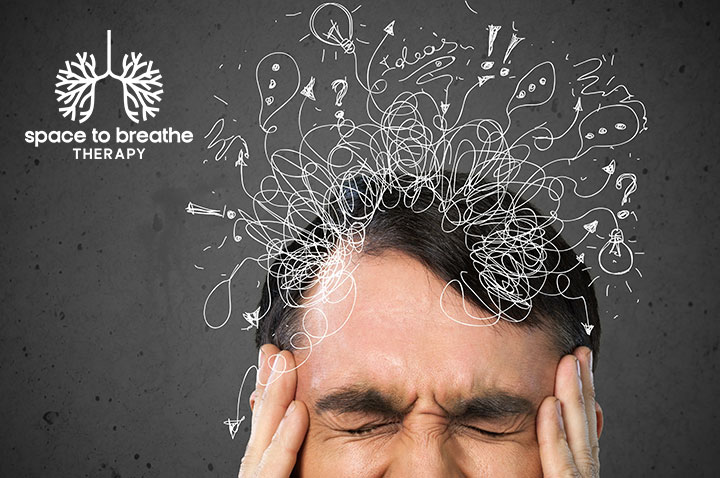
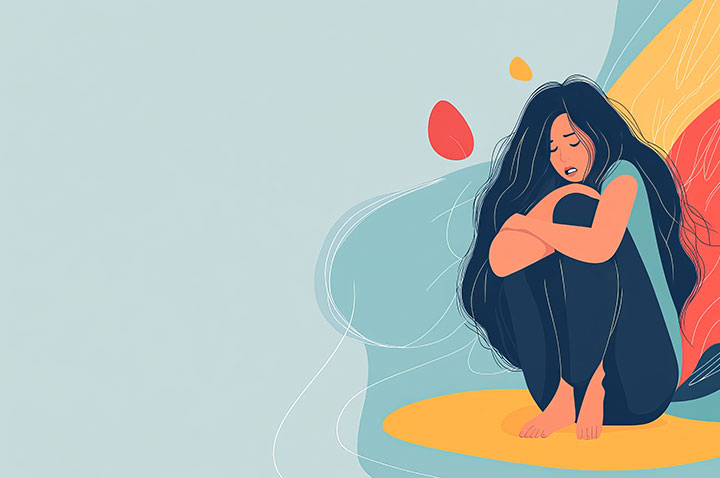
“Nervous breakdown” isn’t a medical diagnosis, but people use it to describe a point where stress becomes so overwhelming that functioning breaks down. This may involve crying, panic, shutdown, exhaustion, or inability to cope with daily life.
2) What it feels like
- “I can’t cope anymore.”
- “I’m falling apart.”
- “I can’t stop crying or panicking.”
- “I can’t do normal life tasks.”
3) Common signs
- intense anxiety or panic
- frequent crying spells
- unable to work or manage daily tasks
- insomnia or oversleeping
- appetite changes
- feeling detached or numb
- irritability and emotional overload
4) Causes
- chronic stress with no recovery
- grief and trauma
- burnout
- relationship breakdown
- financial crisis
- caring responsibilities
- untreated anxiety or depression
5) Triggers
- sudden life events
- months of overload
- sleep collapse
- ongoing conflict
- isolation
6) What helps now
- safety first: remove pressure where possible
- breathing and cold water reset
- drink water and eat something small
- contact a trusted person
- contact GP or 111 if symptoms escalate
7) Longer-term support
- reduce workload and ongoing stressors
- therapy support
- gradual routine rebuild
- boundaries and protected rest
- address root causes (work, relationships, trauma)
8) Treatment options
- GP review and fit note if needed
- NHS Talking Therapies
- crisis team involvement if risk is high
- medication if anxiety or depression is severe
9) Medication
Medication may help underlying anxiety or depression alongside rest and therapy, and is GP-led.
10) Practical tips
- treat a breakdown as a warning sign, not a failure
- rest is medical, not laziness
- rebuild slowly rather than all at once
11) When to seek urgent help
Urgent help if:
- suicidal thoughts
- inability to care for yourself
- panic is constant
- hallucinations or paranoia
12) UK help & support
- NHS urgent mental health services
- Samaritans / Shout
- NHS Talking Therapies

A-Z Mental Health
Health Support Directory
Practitioners & Contributors Directory
Depression & Emotional Distress
Substance Misuse
Understanding Grief
Neurodiversity
LGBTQ+
Physical Health & Body Awareness
Food Nutrition & Mental Health
Disability in the Workplace & Career Support
Inspirational Content
Fun & Interactive
Video and Audio
Men’s Mental Health
Trauma
Eating Disorders
Courses and Learning Hub
Social Media
Product Advertisements
Legal and Rights Information





