
























.jpg)
1) What it is
Neurodiversity means brains work in different ways. ADHD, autism, dyslexia, dyspraxia, and sensory differences can affect mental health through overwhelm, social stress, burnout, anxiety, and depression.
2) What it feels like
- “Life feels too loud and too fast.”
- “I’m exhausted from masking.”
- “I can’t keep up with daily tasks.”
- “I feel rejected and misunderstood.”
3) Common signs
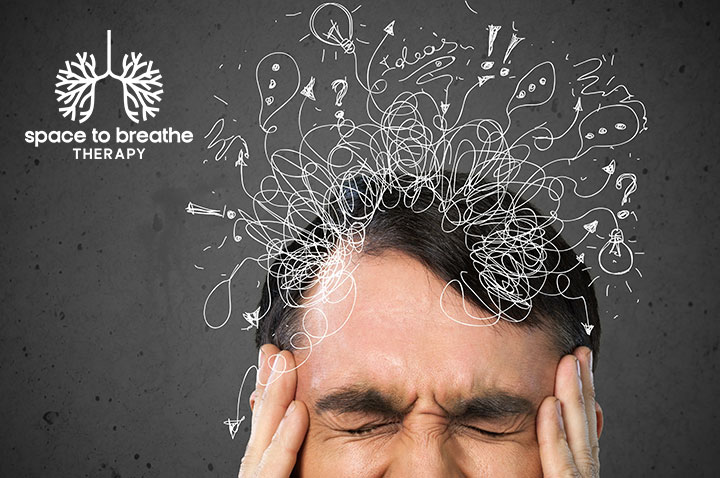
- overwhelm and shutdown
- sensory sensitivity
- emotional regulation difficulties
- anxiety and low mood
- burnout symptoms
- difficulties with planning or organisation
- feeling “different” socially
4) Causes / risk factors
- late diagnosis and years of struggle
- bullying and stigma
- chronic overwhelm and masking
- lack of accommodations
- exclusion and loneliness
5) Triggers
- noisy or busy environments
- too many tasks at once
- unexpected change
- social pressure
- lack of rest or recovery time
6) What helps now
- reduce stimulation (quiet space)
- focus on one task at a time
- sensory tools (headphones, weighted blanket)
- grounding and breathing
- gentle movement (walking, stretching)
7) Longer-term support
- routines and structure
- rest and recovery planning
- therapy adapted for neurodiversity
- coaching for executive functioning
- requesting reasonable adjustments at work or education
8) Treatment options
- assessment routes via GP (waiting lists can exist)
- therapy and coaching tools
- medication for ADHD if diagnosed
- occupational therapy for sensory strategies
9) Medication
ADHD medication may help focus and impulsivity. Anxiety or depression medication may help if needed and is GP-led.
10) Practical tips
- plan recovery time daily
- reduce masking where safe
- communicate needs clearly
- build a neurodiversity-friendly life
11) When to seek urgent help
Urgent help if:
- burnout leads to self-harm thoughts
- total shutdown and inability to function
- severe anxiety or panic daily
12) UK help & support
- NHS urgent mental health help
- Mind
- Samaritans / Shout

A-Z Mental Health
Health Support Directory
Practitioners & Contributors Directory
Depression & Emotional Distress
Substance Misuse
Understanding Grief
Neurodiversity
LGBTQ+
Physical Health & Body Awareness
Food Nutrition & Mental Health
Disability in the Workplace & Career Support
Inspirational Content
Fun & Interactive
Video and Audio
Men’s Mental Health
Trauma
Eating Disorders
Courses and Learning Hub
Social Media
Product Advertisements
Legal and Rights Information





