


























.jpg)
1) What it is
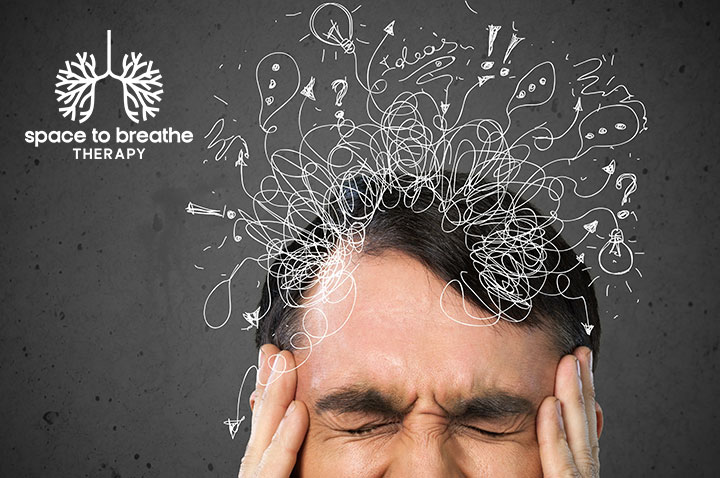
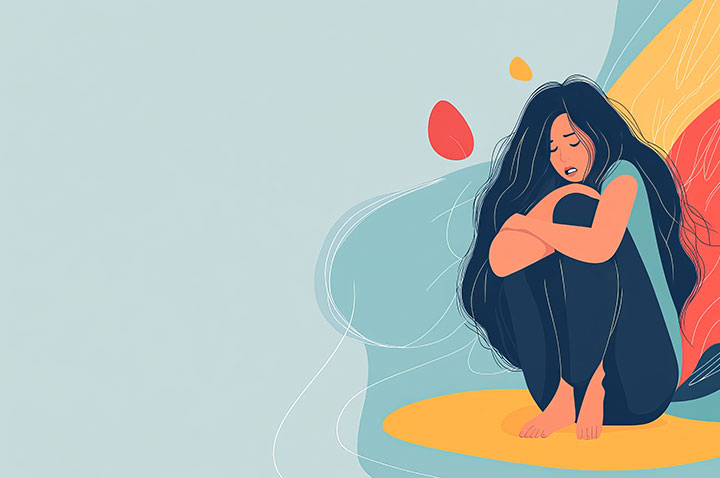
Quick mood swings are sudden changes in emotional state that can feel intense, confusing, or out of control. Emotions may shift rapidly from calm to overwhelmed, angry, tearful, or shut down. Mood swings can be linked to stress, trauma, hormonal changes, anxiety, depression, personality difficulties, or bipolar-related conditions.
2) What it feels like
- “I was fine a minute ago.”
- “My emotions flipped suddenly.”
- “I don’t know why I reacted like that.”
- “I feel out of control, then ashamed afterwards.”
3) Common signs & symptoms
- feeling okay then suddenly overwhelmed
- irritability or tearfulness
- sudden anger or emotional shutdown
- feeling emotionally out of control
- guilt or shame after emotional reactions
4) Why it happens (causes & risk factors)
- emotional stress and overload
- burnout and sleep deprivation
- hormonal changes (PMS, perimenopause)
- trauma responses and nervous system sensitivity
- anxiety and overthinking
- bipolar spectrum conditions (especially if cycles last longer or follow patterns)
5) Triggers
- fatigue or hunger
- relationship stress or conflict
- feeling criticised or misunderstood
- sensory overload
- lack of routine or recovery time
6) What helps now
- HALT check: ask if you are Hungry, Angry, Lonely, or Tired
- pause and breathe before reacting
- name the emotion (“this is anger,” “this is sadness”)
- choose the next supportive action rather than reacting impulsively
7) Daily self-help support
- reduce nervous system overload with sleep, meals, hydration, and outdoor time
- build predictable routines
- practise emotion regulation skills regularly
- track patterns to identify repeat triggers
8) Professional treatment options
- GP assessment, especially if mood swings are extreme, frequent, or worsening
- CBT or emotion regulation therapy
- DBT skills coaching
- hormone assessment if symptoms suggest hormonal involvement
9) Medication
Medication may be considered if mood swings are linked to anxiety, depression, hormonal imbalance, or mood disorders, following GP or specialist assessment.
10) Practical tips
- emotional intensity often signals overload, not failure
- patterns matter more than single episodes
- early regulation prevents bigger swings
- recovery comes from consistency
11) When to seek urgent help
Urgent help if:
- mood swings include suicidal thoughts
- emotions feel uncontrollable or frightening
- behaviour becomes risky or impulsive
- functioning becomes impaired
12) Where to get help (UK)
- NHS Talking Therapies
- GP support and assessment
- Mind resources and guidance

A-Z Mental Health
Health Support Directory
Practitioners & Contributors Directory
Depression & Emotional Distress
Substance Misuse
Understanding Grief
Neurodiversity
LGBTQ+
Physical Health & Body Awareness
Food Nutrition & Mental Health
Disability in the Workplace & Career Support
Inspirational Content
Fun & Interactive
Video and Audio
Men’s Mental Health
Trauma
Eating Disorders
Courses and Learning Hub
Social Media
Product Advertisements
Legal and Rights Information





